|
|
|
|
|
|
|
|
|
Randomized non-inferiority trial finds ketorolac injection to be non-inferior to triamcinolone injections for tennis elbow. |
 |
|
Tennis elbow -- medically known as lateral epicondylitis -- is often treated with corticosteroids.
But despite the prevalence of corticosteroids in orthopaedics, there are concerns with side effects including tendon degeneration and infection risk.
Many new alternatives have been tested. But could the common NSAID ketorolac avoid the major risks associated with steroids whilst providing comparable symptom relief?
The KINDLE Trial, which randomized 200 patients to receive one of the two injections, suggests yes.
Ketorolac was non-inferior to triamcinolone with respect to pain and functional outcomes -- particularly among those with shorter symptom durations. |
|
|
|
Full Analysis → |
|
|
|
|
|
|
|
|
|
|
|
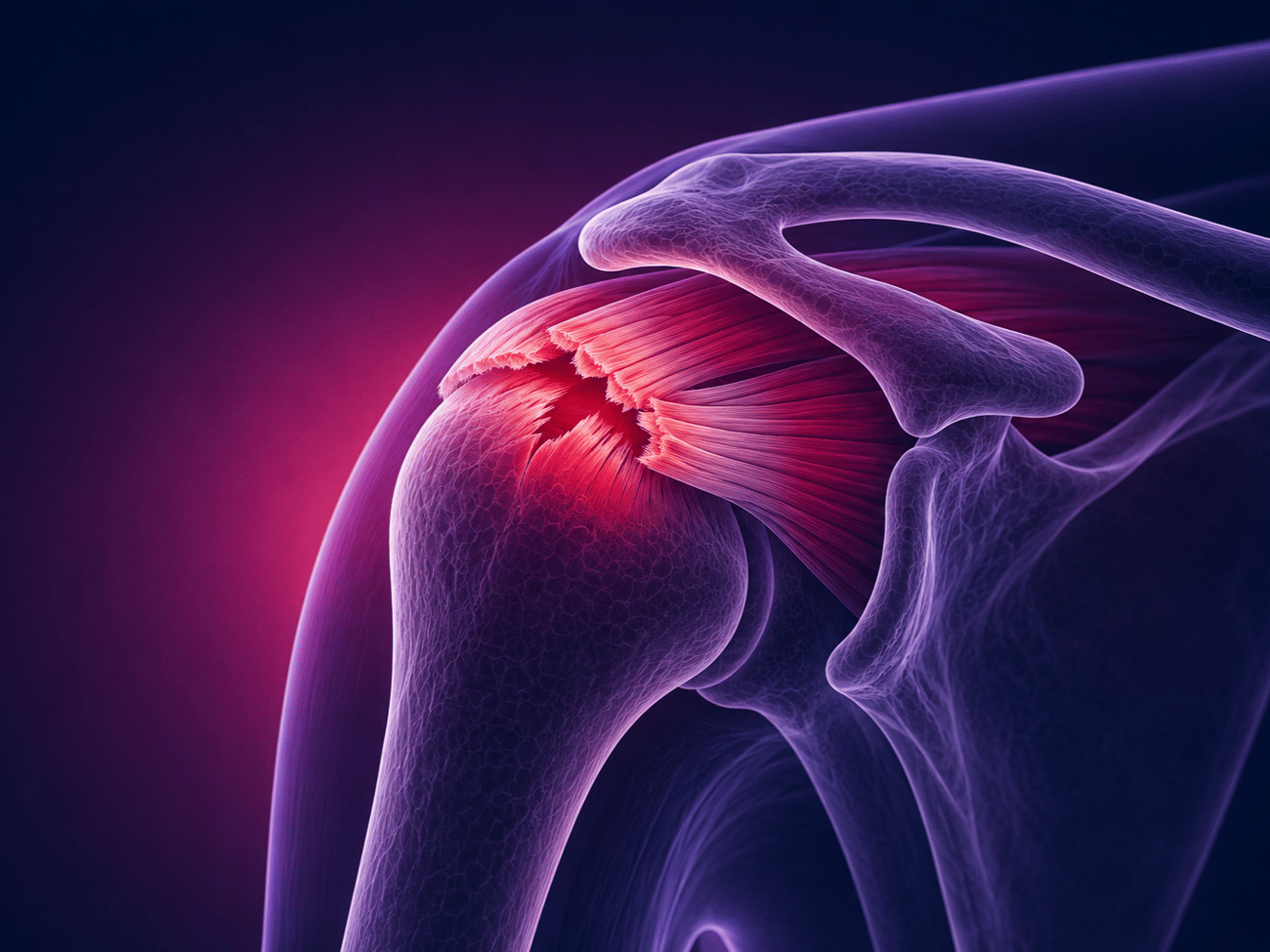
Biological superior capsular reconstruction had better ASES scores and earlier active forward flexion vs. primary repair. |
 |
|
A recent retrospective study found that biological superior capsular reconstruction biceps transposition technique -- for massive rotator cuff tears -- may provide a cost-effective solution, and potentially better outcomes.
“We are seeing from our leaders in the field that augmentation of difficult tears is something that can help promote better outcomes for patients, help healing rates and prevent retear rates,” said Dr. Fortunato Padua.
“For the surgeons who are in surgery centers or private practice groups where cost of augmentation might be prohibitive to doing it on a routine basis, the biceps is there. It is available, it is often discarded and it is something that you can easily incorporate into your repair constructs.”
|
|
|
|
Read the Article → |
|
|
|
|
|
|
|
|
 |
|
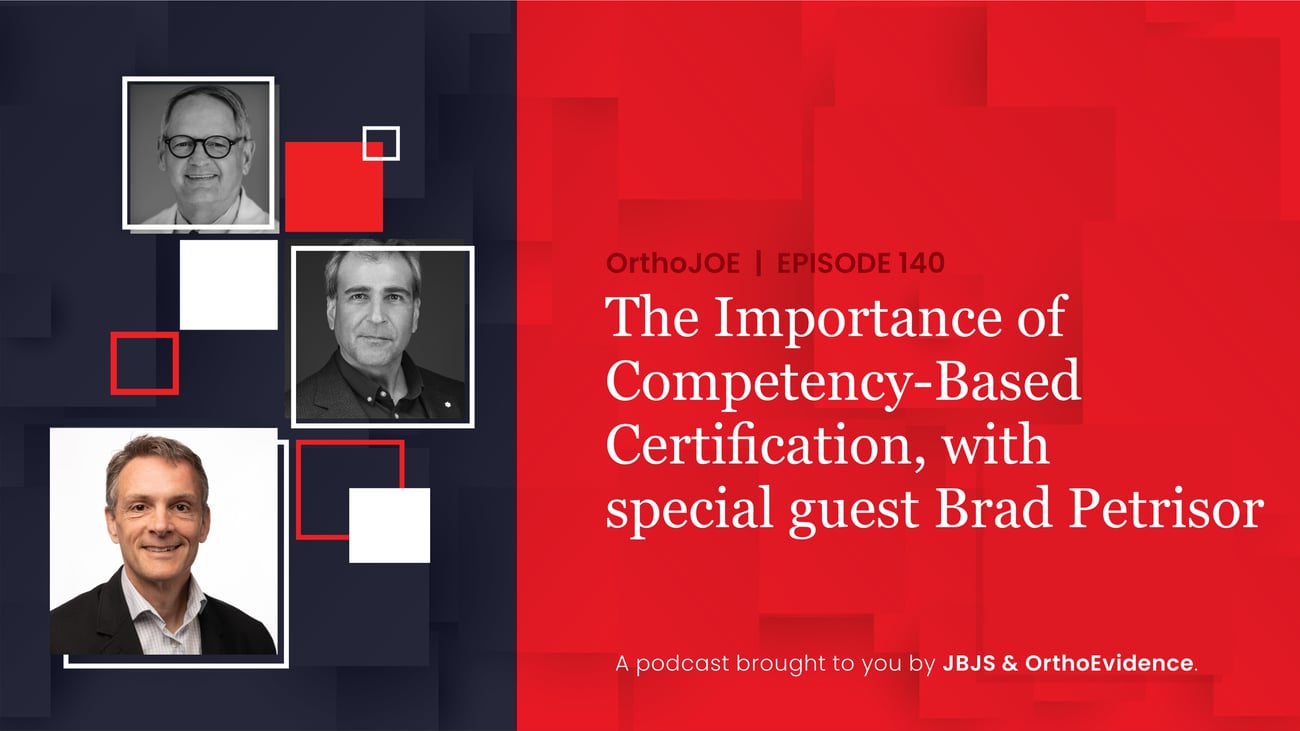
How do we know an orthopaedic surgeon is truly ready to practise independently?
There are a wide variety of examination strategies in orthopaedics. But oral examinations and written tests often don't tell the full picture.
Particularly in surgical practice, there's an increased onus to self-regulate and ensure that all surgical trainees achieve acceptable levels of comptency.
In this edition of the OrthoJoe podcast, Marc & Mo sit down [again!] with Dr Bradley Petrisor for a conversation on the need for competency-based certifications in orthopaeidcs. |
|
Watch Now → |
|
|
|
|
|
Protein Supplementation for Hip Fracture Recovery in Elderly Patients — In adults aged 60 years and older undergoing surgery for proximal femoral (hip) fractures, does creatine and HMB-enriched protein supplementation in addition to standard postoperative care, compared with an isocaloric placebo, improve mobility recovery, nutritional markers, mortality, and postoperative complications?
(Read)
(Read)
(Read)
(Read)
(Read)
(Read)
(Read) (Read) |
|
|
|
Intraoperative Surgical vs. Preoperative Ultrasound-Guided Adductor Canal Block After Total Knee Arthroplasty —In adults undergoing unilateral primary TKA, does intraoperative surgeon-performed ACB, compared with preoperative ultrasound-guided ACB, reduce pain?
(Read)
(Read)
(Read)
(Read)
(Read)
(Read)
(Read) (Read) |
|
|
|
Adipose-Derived Cell Therapies for Knee Osteoarthritis — In adults with knee osteoarthritis, does intra-articular ADCT (including adipose-derived mesenchymal stem cells, stromal vascular fraction, or micro-fragmented adipose tissue), compared with placebo or no treatment, improve pain, function, quality of life, and safety?
(Read)
(Read)
(Read)
(Read)
(Read)
(Read)
(Read) (Read) |
|
|
|
Two ways to inform your clinical decisions |
FastTrack — what your peers are reading across the network
OE Signal — personalized weekly evidence based on your interests |
|
|
|
|