|
19 March 2024 | Volume 1 Issue 26 |
|
|
|
|
|
|
|
|
|
|
|
 |
|
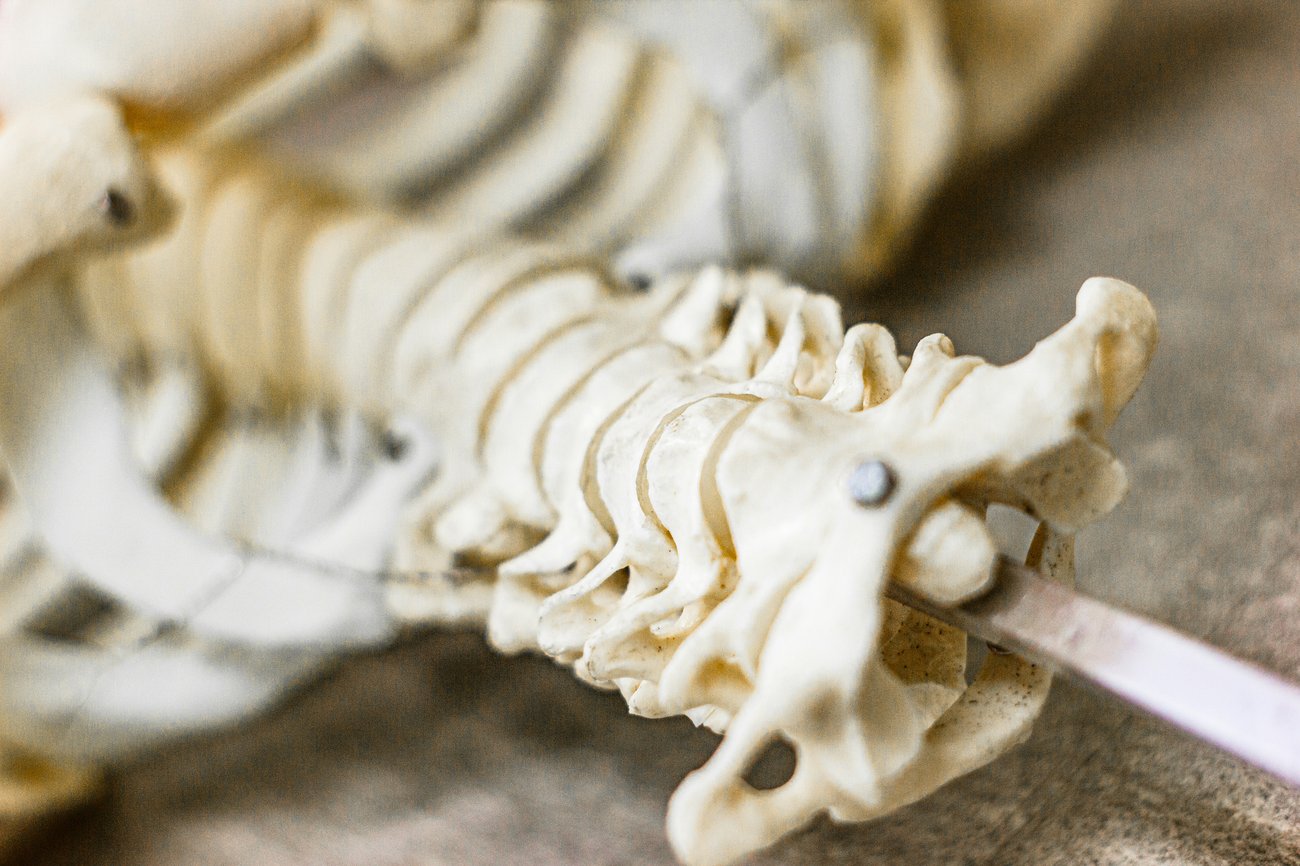
Patients with cervical radiculopathy have traditionally been treated with an anterior cervical discectomy and fusion procedure. However, due to the increased risk of adjacent level disease, researchers have begun to explore the potential advantages of cervical disc arthroplasty. 20 years ago, the authors of this study began comparing the two treatments. Now, the 20-year results are in.
47 patients with single-level cervical radiculopathy were randomized to receive either an anterior cervical discectomy and fusion (ACDF; n=25) or a total disc arthroplasty (n=22). The primary outcomes of interest were pain in the arm and neck, neck disability, and the incidence of reoperation.
-
The total disc arthroplasty procedure took significantly longer to perform and led to more blood loss compared to the ACDF procedure (p<0.05 for both).
-
Neck Disability Index (NDI) scores, neck pain scores, and arm pain scores were similar between the two groups at both 5- and 20-years post-operation (p>0.05 for all).
-
The incidence of reoperation was significantly lower in the total disc arthroplasty group compared to the ACDF group (10% vs. 41%, p<0.05).
Bottom line. The total disc arthroplasty took longer to perform and resulted in more blood loss, but led to a lower rate of reoperation after 20 years. Pain and functional outcomes 20 years post-operation were similar between groups at 20 years follow-up.
Read the full ACE Report on this trial here. |
 |
|
|
|
|
 |
|
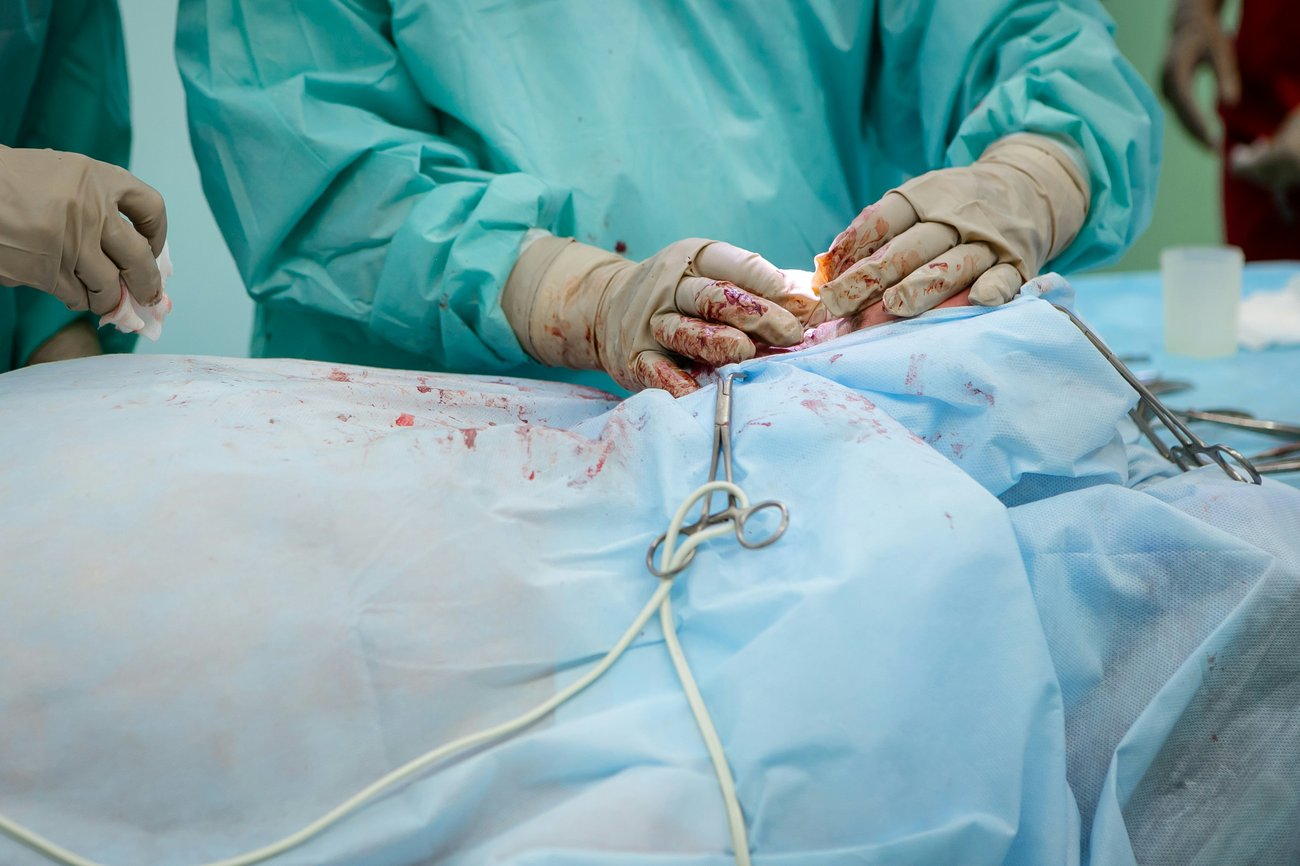
Total hip arthroplasty is one of the most widely performed hip procedures in orthopaedics, being the definitive treatment for several conditions from osteonecrosis to osteoarthritis. The optimal approach has long been a topic of debate amongst surgeons. Many meta-analyses have been performed to compare outcomes between the direct anterior approach (DAA) and posterolateral approach (DLA), however, most fail to focus on wound infection outcomes. This study aimed to fill this gap in knowledge.
8 randomized controlled trials including a total of 615 patients were included in this systematic review and meta-analysis comparing the DAA and PLA approaches. Pooled outcomes included the incidence of wound infection, pain scores, incision length, and operative time.
-
No significant differences in the odds of wound infection were found between the two approaches (OR 1.42 [95% CI 0.50, 4.04], p=0.51).
-
The pooled duration of surgery was significantly longer in the DAA group compared to the PLA group (14.67 minutes [95% CI 9.24, 20.09], p<0.01).
-
The DAA required a significantly smaller incision length compared to the PLA group (-3.20cm [95% CI -4.00, -2.41], p<0.01).
-
Pooled Visual Analog Scale (VAS) pain scores were significantly lower in the DAA group at 1 day, 3 days, 1 week, and 6 weeks post-operation (p<0.05 for all).
Bottom line. The direct anterior approach and the posterolateral approach have similar levels of wound infection risk. However, the DAA is associated with a smaller incision and reduced pain in the early post-operative period, albeit at the expense of increased operative time.
Read the full ACE Report on this systematic review here. |
|
|
|
|
|
 |
|
In 2024, the medical literature plays a critical role in the practice of medicine. In fact, 86% of Canadian Orthopaedic Association (COA) members agreed that studies published in high quality journals, by reputable investigators, using robust study designs like the RCT or systematic review is among the most likely factors to influence clinical practice.
That’s why we looked back at the most impactful trials from the last year that really moved the needle, challenging existing practices or established thinking. In this OE Original, we present the top 5 trials from 2023:
1. The OPAL Trial
The OPAL trial is the world's first placebo-controlled trial of opioids in acute and subacute low back and neck pain. Although there have been multiple randomized controlled trials (RCTs) and systematic reviews assessing opioid therapy for chronic back and neck pain, few have investigated opioids for the acute presentation of these conditions. The OPAL trial addresses this scarcity of evidence and more broadly, adds another dimension to the growing discussion on the effectiveness, safety, and necessity of opioid prescribing.
2. The BUCKLED Trial
Unlike other studies, which have largely focused on establishing the acceptable diagnostic accuracy of ultrasound for these patients, the BUCKLED trial has sought to investigate the effect of imaging method on patient-centered outcomes. This study has shown that point-of-care ultrasonography is safe, efficient, accurate and leads to shorter treatment times and length of stay. The results of this study clearly support the use of ultrasound as an initial diagnostic test for distal forearm injuries in pediatric patients. Investigators add that with “radiography reserved for features suggestive of a diagnosis that leads to cast immobilization and follow-up”, the reduced number of pediatric patients needing to undergo radiography, particularly those diagnosed with no fracture or a buckle fracture, would mean reduced costs and minimized radiation exposure.
Check out the rest of 2023's top trials here. |
|
EDITOR’S PICKS |
|
|
|
PRP vs. Corticosteroid for Knee Osteoarthritis – In this OE Original, we did a deep dive on the scientific research comparing PRP and corticosteroid for knee osteoarthritis. Is PRP better than corticosteroid for knee osteoarthritis? (Read) |
|
|
|
Treating the MCL in Combined ACL/MCL Injuries – This study, published in the NEJM (2009), randomized 47 patients with joint ACL/MCL injuries to receive operative treatment on both the ACL and MCL, or just on the ACL only. Results found that non-operative treatment of the MCL led to improved muscle power recovery and range of motion in the early follow-up period. (Read) |
|
|
|
|
|
|
|
|
PS. Enjoying The Pulse? Make sure to move it to your primary inbox so you don't miss it!
Any topics you would like to see covered?
Send your ideas to info@myorthoevidence.com
|
|
|
|
|
|
|
|
|
This email was brought to you by OrthoEvidence |
|
|
|
|