|
|
|
|
|
|
|
|
 |
|
In the age of smartphones and desktops, carpal tunnel is a condition frequently seen in the clinic. When conservative treatment fails, surgical release may be needed. Carpal tunnel release can be performed using an open or endoscopic approach. Endoscopic approaches are further segmented into single portal or a two-portal approaches. But which provides optimal safety and effectiveness?
23 studies with a total of 2,284 patients with primary our idiopathic carpal tunnel syndrome included in this systematic review and meta-analysis comparing open carpal tunnel release (n=1,147) and endoscopic carpal tunnel release (n=1,137). Outcomes of interest included peri-operative, efficacy, and safety outcomes.
-
There were no differences in complication rate, operative time or rate of re-operation between the open and endoscopic approaches. Subgroup analyses comparing single- and dual-portal endoscopic approaches found no difference in complication or re-operation rates.
-
Patients who received an endoscopic release reported significantly lower scar tenderness (p=0.01) than the open release. Sub-group analyses found similar results between dual-portal endoscopic release and open release, but no difference between single-portal endoscopic release and open release.
-
Endoscopic release led to significantly quicker time to return to work compared to open release (p<0.01).
-
Patients in the endoscopic group reported a significantly greater odds of transient nerve injury (p<0.01).
Bottom line. Endoscopic release appears to provide significantly less scar pain and a quicker return to work compared to open carpal tunnel release. However, this may come at an increased risk of transient nerve injury.
Read the full ACE Report on this study here. |
 |
|
|
|
|
 |
|
Despite the effectiveness of total knee arthroplasty, there are several concerns surgeons have regarding the safety of the procedure. One area of concern is wound site, which can lead to wound infection if not adequately closed. Various suturing methods exist and have been compared; barbed sutures are regularly used in cosmetic surgeries. How they compare to standard sutures has not been established: a systematic review and meta-analysis was needed to help settle the debate.
8 studies with a total of 1,569 total knee arthroplasty patients were included in this systematic review and meta-analysis comparing barbed sutures and standard sutures for wound closure. Outcomes of interest included wound infection, suture abscess, and wound dehiscence.
-
No significant difference in the odds of superficial wound infection was found between barbed and standard suturing (p=0.18).
-
The odds of wound suture abscess, total wound infection, and wound dehiscence was similar between the two groups (p>0.05 for all).
Bottom line. Barbed suturing carries a similar level of infection risk to standard suturing, while offering potential advantages in stitching time and appearance!
Read the full ACE Report on this systematic review here. |
|
|
|
|
|
 |
|
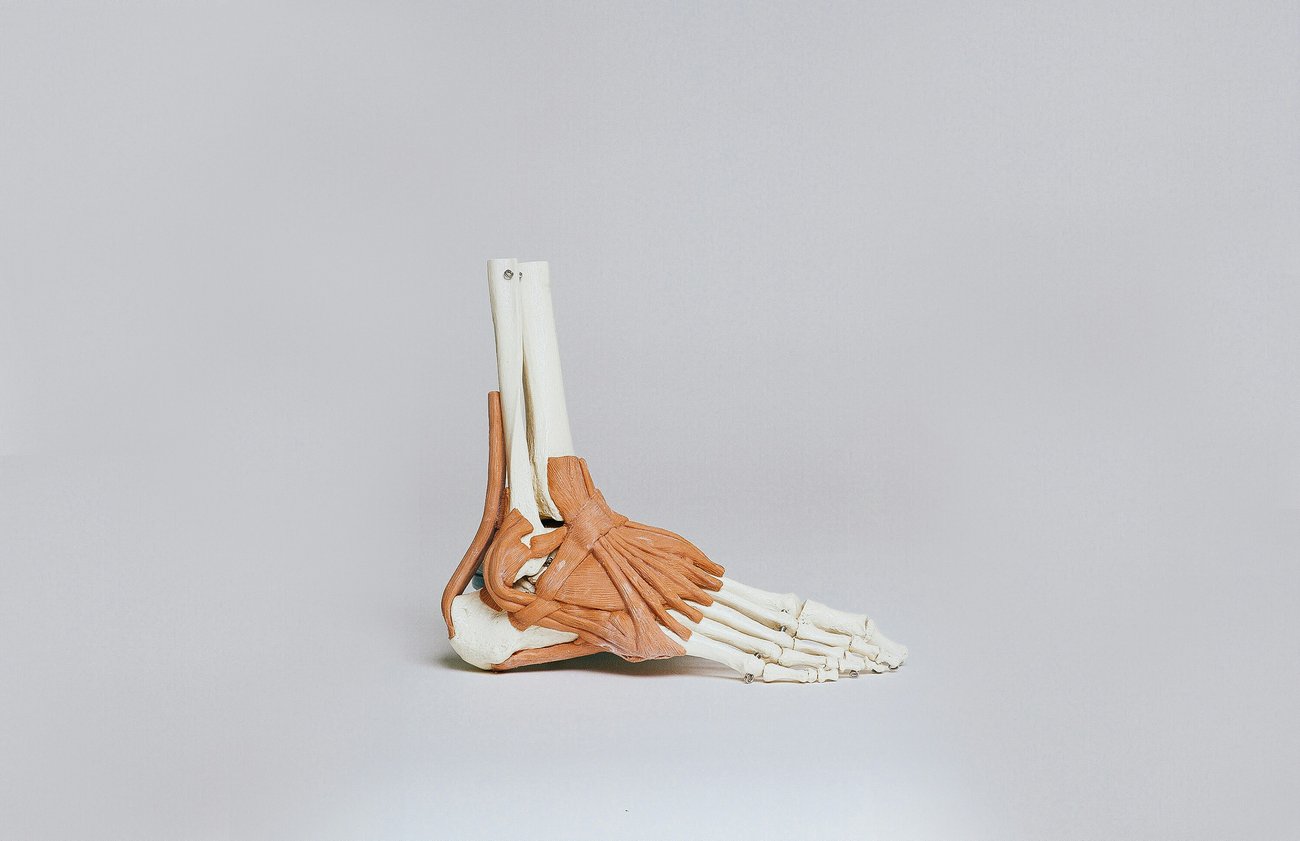
Chronic ankle stability can be a significant challenge for both young and old patients, causing unstable balance and disability. Dual-task training has been found to result in improvements in balance and function, given the complexity of maintaining one’s balance during cognitive tasks. However, there has yet to be a comprehensive assessment of the literature on the topic. Until now.
7 randomized trials with a total of 192 patients with chronic ankle stability were included in this systematic review and meta-analysis comparing dual-task training and a control treatment. Outcomes of interest included balance and functional measures.
-
Dual-task training was associated with a significantly greater Y-balance compared to control (p=0.05).
-
Center of pressure (COP) area – a measure of postural control – was significantly better in the dual-task training group compared to the control group (p=0.007).
-
No differences in COP-velocity, figure-of-8 hop tests, and balance error scoring system (BESS) scores were observed.
Bottom line. Dual task training could be an effective rehabilitation tool for improving static and dynamic balance in patients with chronic ankle instability. More high-quality trials are needed given the small sample sizes in the included studies.
Read the full ACE Report on this study here. |
|
EDITOR’S PICKS |
|
|
|
Vitamin D for Orthopaedic Patients – All of us probably have a bottle of Vitamin D in our cupboards. Its well known for its role in maintaining bone health. But it also is involved in gene expression, immune regulation, and skeletal function. So the question begs: is Vitamin D an effective tool for treating orthopaedic conditions? (Read) |
|
|
|
The Path to Hyper-Performance – Great inventions. Scientific breakthroughs. Game-changing technologies. The hyper-performers – those with high self-awareness, strong work-ethic, and daring personality – are responsible for the majority of societal progress. But how can we become a hyper-performer? In this Insight, we tell you how. (Read) |
|
|
|
|