|
|
|
|
|
|
|
|
 |
|
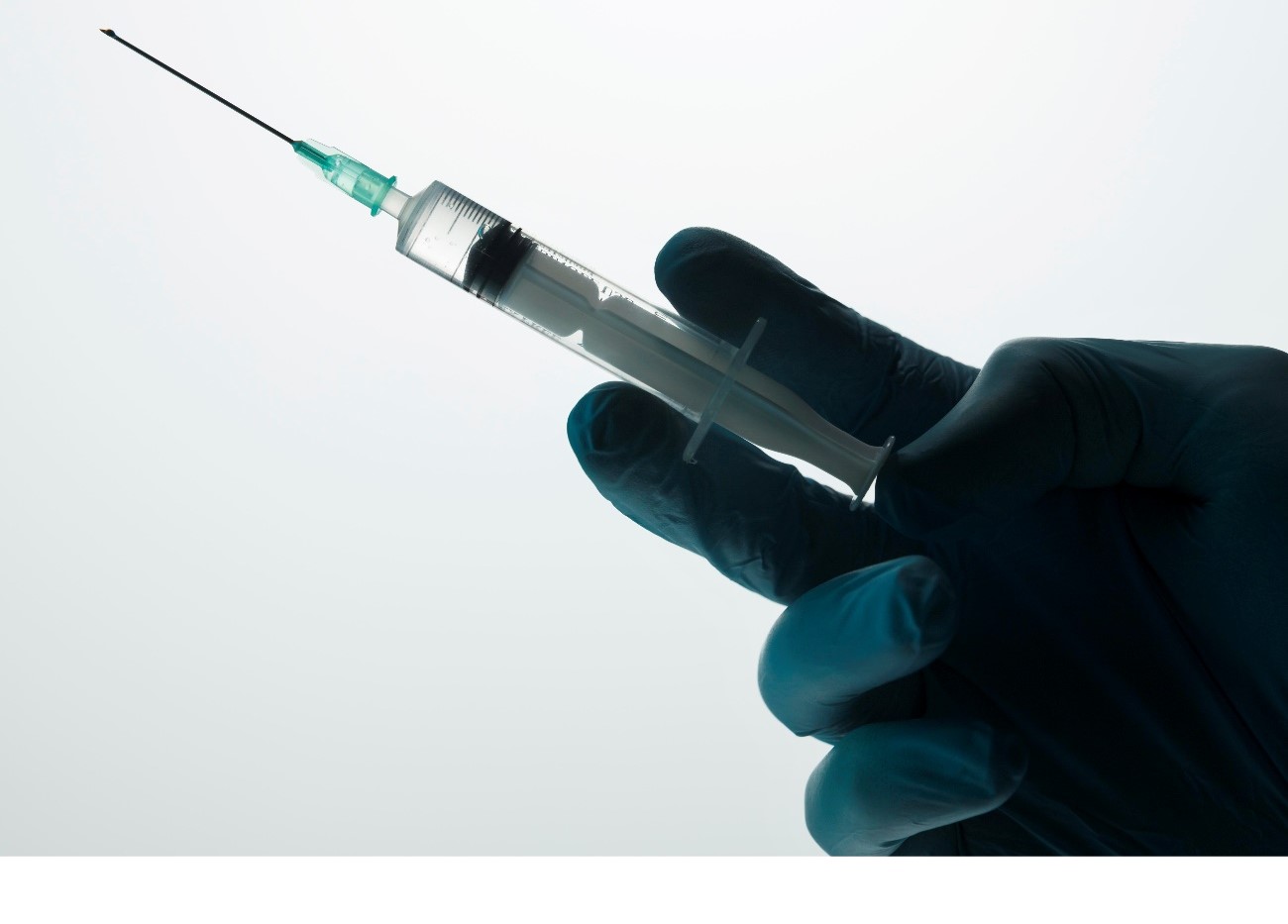
Commonly known as frozen shoulder, adhesive capsulitis is an inflammatory condition causing pain, debilitation, and ultimately affected quality of life. Corticosteroid injections aim to suppress the inflammatory response, and have been found to successfully relieve symptoms. But with so much variation in dosing and steroid type, it’s not clear which formulation provides the best outcomes. This study aimed to meta-analyze the existing literature comparing high-dose and low-dose steroid injections.
4 studies with a total of 274 adhesive capsulitis patients were included in this systematic review and meta-analysis comparing high-dose (full-vial dose) and low-dose (half or quarter-vial dose) steroid injections. Outcomes of interest include pain, range of motion, and functional improvement.
-
Pooled pain scores at 3 weeks, 6 weeks and 1-year post-treatment were not significantly different between the high-dose and low-dose steroid groups (p>0.05 for all).
-
Shoulder range of motion at the same-timepoints were similar between the two groups.
-
Functional improvement did not differ between high-dose or low-dose corticosteroid injection.
Bottom line. The existing literature does not indicate any difference in pain, range of motion, or functional improvement between high-dose and low-dose corticosteroid injection. However, more evidence is needed to confirm this finding, given the small evidence-base.
Read the full ACE Report on this study here. |
 |
|
|
|
|
 |
|
Depending on the country of practice, the use of instrumentation in posterolateral fusion procedures is either uncommon or the norm. While some suggest the use of instrumentation increases fusion rate, others say it only increases operative time and blood loss. With no consensus on the topic, a high-quality randomized trial was desperately needed to help settle the debate.
108 patients with degenerative spondylolisthesis scheduled for a decompression and fusion surgery were randomized to receive the procedure with the use of instrumentation (n=54) or without instrumentation (n=54). The primary outcome of interest was disability, as measured by the Oswestry Disability Index (ODI).
-
After 2 years follow-up, there were no differences in disability scores between the two groups (p=0.791).
-
The instrumented group displayed a significantly higher rate of fusion at 1 year (p<0.001) and a lower rate of re-operation (p=0.031) compared to the un-instrumented group.
-
Operative time, blood loss, and drainage output were all greater in the instrumented group (p<0.05 for all).
-
Back and leg pain, quality of life, and spinal-stenosis-specific scores were not statistically significantly different between the two groups.
Bottom line. Instrumented fusion took longer to perform and led to more blood loss, but resulted in a significantly higher rate of fusion and a lower rate of re-operation compared to un-instrumented fusion for patients with degenerative spondylolisthesis.
Read the full ACE Report on this RCT here. |
|
|
|
|
|
 |
|
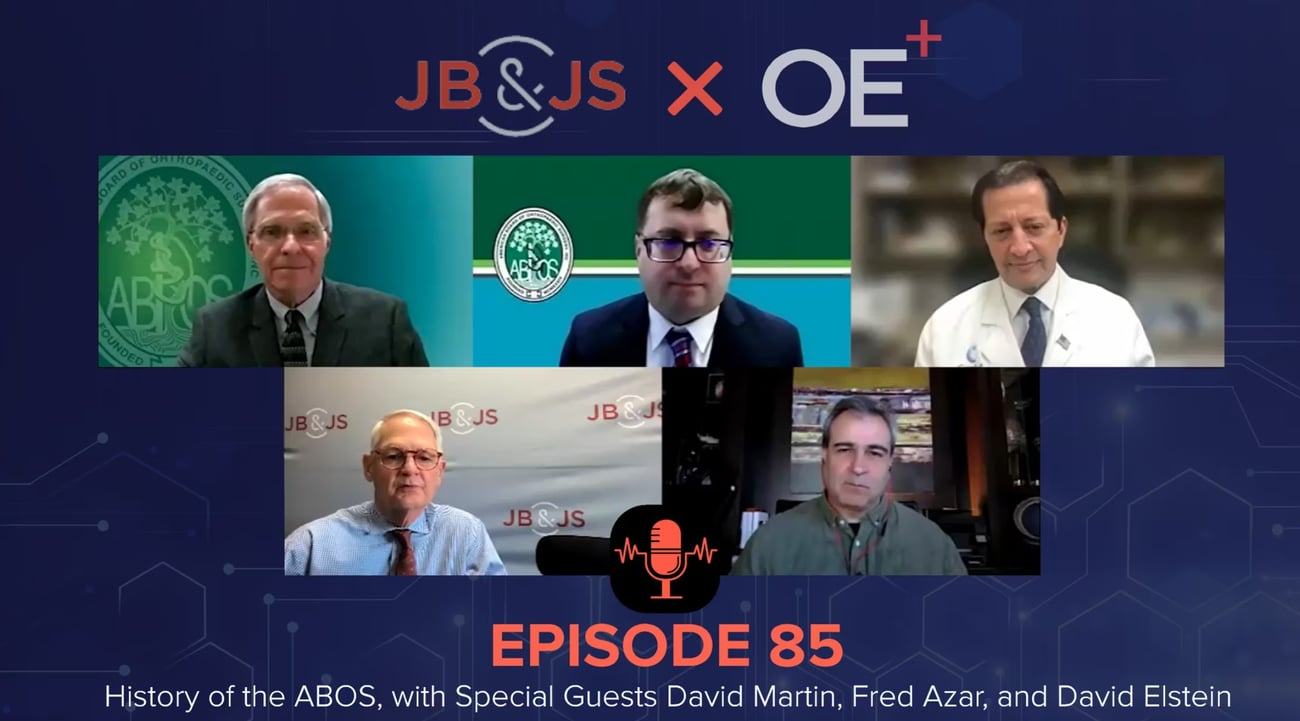
Since 1934, the American Board of Orthopaedic Surgery, or ABOS, has been dedicated to improving the quality of care and outcomes for patients through the establishment of training and education standards for orthopaedic residents and certified surgeons.
In this OrthoJoe podcast, Mo Bhandari and Marc Swiontkowski sit down with ABOS board members Dr David Martin, Dr Fred Azar, and Dr David Elstein for a discussion on the history fo the ABOS, and its key role in the orthopaedic community.
Watch the full podcast here. |
|
EDITOR’S PICKS |
|
|
|
Reconnecting with People in Practice – Humans are social animals. But increasingly, loneliness and disconnection is becoming the norm. And it’s starting to lead to adverse health outcomes – so where is the increasing disconnect from one another coming from, and how can we overcome it? (Read) |
|
|
|
Duloxetine for Osteoarthritis – Duloxetine has been explored as a treatment for pain from hip and knee osteoarthritis, but is it safe and effective? We conducted a systematic review of the literature to find out. (Read) |
|
|
|
|