|
|
|
|
|
|
|
|
 |
|
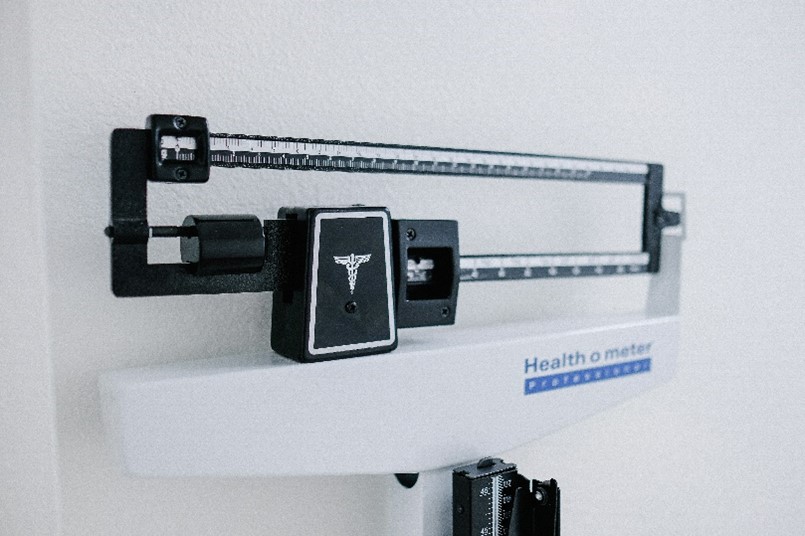
A former university athlete limps into your office. They’ve got end-stage knee osteoarthritis and are a textbook candidate for joint replacement. But their BMI is over 40. Do you operate or not operate?
BMI has long been used as a measure of obesity. Its convenient, easy to calculate, and is correlated with body fat mass in the general population. But it’s not perfect – and its role as a risk assessment measure, particularly when used as a cutoff for surgery, has put it under increased scrutiny.
In this OE Insight, we discuss everything BMI. We start by looking at the history of BMI, its rise to becoming the standard measure of obesity in clinical research settings, the advantages and disadvantages of BMI – whether its clinical convenience justifies its widespread use – and finally, alternatives that could help surgeons and clinicians make better decisions for their patients.
Read the full OE Insight here.
|
 |
|
|
|
|
 |
|
Microfracture is the go-to treatment for articular cartilage defects. However, there are concerns with degeneration of the fibrocartilaginous tissue – alternatives are thus of interest. Autologous costal chondrocyte implantation is an emerging alternative that has shown a capacity to generate cartilage tissue – and could be a promising intervention for patients with knee cartilage lesions.
30 patients with chondral defects of the knee were randomized to receive a costal chondrocyte-derived pellet-type autologous chondrocyte implantation (n=20) or a microfracture treatment (n=10). The outcomes of interest included knee scores, function scores, pain scores, cartilage repair scores, and treatment failure, all assessed at 5 years post-treatment.
-
Patients who received chondrocyte implantation reported significantly better Magnetic resonance Observation of Cartilage Repair Tissue (MOCART) scores, Lysholm scores, and Knee Injury and Osteoarthritis Outcomes Scores (KOOS) at 5 years compared to the microfracture group.
-
1 patient in the microfracture group experienced treatment failure.
Bottom line. At 5 years, patients who received chondrocyte implantation demonstrated significantly better knee health and cartilage tissue repair than patients who received microfracture treatment.
Check out the comprehensive analysis of this AAOS abstract here.
|
|
|
|
|
|
 |
|
From NSAIDs, to injections, to physical therapy – there are a wide range of interventions for managing knee osteoarthritis non-operatively. Viscosupplementation with hyaluronic acid has been extensively utilized as an injectable intervention, but has limited support from guideline recommendations. Alternative interventions, such as cooled radiofrequency ablation, are growing in popularity – but how does it compare to hyaluronic acid?
177 patients with symptomatic knee osteoarthritis were randomized to receive either radiofrequency lesioning of the genicular nerves (n=89) or a single intra-articular injection of hyaluronic acid (n=88). Follow-up was conducted at 1-, 3-, and 6-months follow-up.
-
Pain improvement was significantly greater in the radiofrequency ablation group compared to the hyaluronic acid group at 1-, 3- and 6-months post-treatment.
-
Pain, function, and stiffness scores on the WOMAC scale were all in favour of the radiofrequency ablation group at all time-points, with exception of stiffness scores at 1 month.
-
General health improvement and quality of life was significantly better in the radiofrequency ablation group at all time-points.
Bottom line. Cooled radiofrequency ablation provided significantly better pain relief, functional improvement and quality of life compared to hyaluronic acid for patients with knee osteoarthritis pain.
Check out our full ACE Report on this paper. |
|
EDITOR’S PICKS |
|
|
|
A Trial of Wound Irrigation in Initial Management of Open Fracture Wounds – Published in the New England Journal of Medicine (2015), this study aimed to explore the effect of irrigation solutions (soap, saline) at different pressures on reoperation rates, wound healing, and bone healing in patients with open fractures. (Read) |
|
|
|
Subacromial Balloon Spacer for Irreparable Rotator Cuff Tears – Published in the Lancet (2022), this study aimed to investigate the effectiveness of a subacromial balloon spacer after debridement vs. debridement only for patients with irreparable rotator cuff tears. The findings were quite interesting... (Read) |
|
|
|
|