 |
|
Presented by OrthoEvidence |
|
|
|
Good Morning. It’s not a bad time to be an orthopaedic device manufacturer. Smith & Nephew’s Q3 report showed orthopaedics revenue to be up 8.3% this year, driven by strong performance from their trauma & extremities team, captained by the EVOS plating system. Their negative wound pressure therapy products aren’t doing too bad either, up 21.3% since last year. |
|
In today's edition: |
|
💊 The Power of Placebo |
|
🏥 Optimal Immobilization for Humeral Fractures |
|
💉 PRP for Achilles Tendon Rupture |
|
|
|
|
|
|
|
|
 |
|
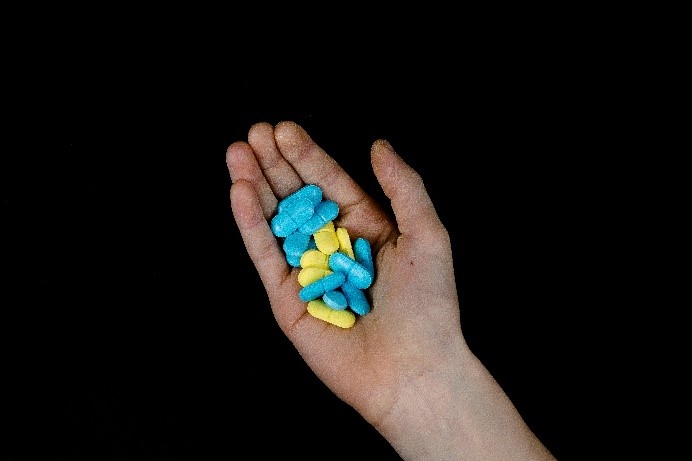
The first placebo trial goes back as far as the 18th century. Since then, placebos have played an important role in the assessment of treatments. The placebo effect can have a significant effect on outcomes in trials, so it’s important that we understand just how they work, and how we should use them our trials.
How strong is the placebo effect? The effect of a placebo can vary depending on a few characteristics. Early trials used olive oil as a placebo medication in high cholesterol studies, which actually led to a decrease in low density lipoprotein cholesterol levels. Even certain colours or formulations have different placebo effect. Overall, studies have found that the placebo effects are quite substantial in trials.
Placebos in surgery. Placebo surgeries remains a controversial topic. The idea of ‘sham surgery’ has a negative connotation around it and calls into question the ethics of the practice. The risk of infection in placebo surgeries is particularly a concern. However, treatments like debridement and shoulder acromioplasty have shown to be no better than placebo surgery, highlighting the potential utility of such trials.
Bottom line. Placebo RCTs can play an important role in orthopaedic surgery, but must be used carefully, in discussion with patients and with consideration of the ethical implications. George et al. provided recommendations on the appropriate time to use placebo surgery in trials.
Dr. Seper Ekhtiari, an orthopaedic surgeon and European Travelling Fellow currently completing a hip reconstruction fellowship at the University of Cambridge, wrote an excellent paper for OE on placebo surgeries.
|
 |
|
|
|
|
 |
|
With aging populations, we’re starting to see a lot more proximal humerus fractures. Non-surgical treatment is an option, but there’s no consensus on the optimal immobilization time. It’s not uncommon for the immobilization to last 3 weeks – but with many of these fractures occurring in elderly patients who need to be self-sufficient, is that too long? Researchers from Spain aimed to compare 1-week and 3-week immobilization via a randomized trial.
143 patients with acute proximal humerus fractures were randomized to receive either 1 week of immobilization with a sling bandage (n=67) or 3 weeks of immobilization with a sling bandage (n=76). Outcomes of interest included pain, function, and radiographic outcomes, as well as complications, assessed up to 24 months follow-up.
-
Pain scores were similar in the 1-week and 3-week immobilization groups in every time-point up to 2 years follow-up (p>0.05 for all).
-
Functional outcomes (Constant scores; Simple Shoulder Test scores) were not significantly different between the two groups up to 2 years follow-up (p>0.05 for all).
-
No significant differences in the rate of complications were observed (p=0.223)
Bottom line. Both 1-week and 3-week immobilization periods provided comparable clinical outcomes for patients with proximal humerus fractures treated non-operatively. You can find a complete breakdown of this trial, including risk of bias assessment, methods, and results, in this ACE Report.
|
|
|
|
|
|
 |
|
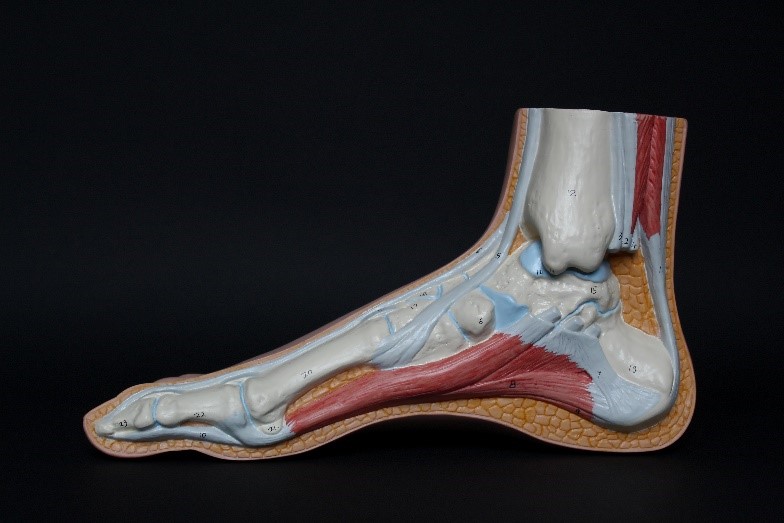
Platelet-rich plasma (PRP) has become one of the most popular, and controversial, treatments in orthopaedics. The autologous blood product seeks to stimulate soft tissue healing, but its efficacy remains highly debated. Whether it can improve the quality of recovery in Achilles tendon rupture patients has yet to be established. Researchers from the PATH-2 Trial conducted a placebo-controlled multicentre trial to find out.
230 patients with acute, mid-substance Achilles tendon ruptures were randomized to receive PRP injection (n=114) or a placebo injection (n=116). All patients underwent routine non-operative management, including immobilization and rehabilitation. The primary outcome of interest was the symptoms and function via the Achilles Tendon Rupture Score (ATRS) at 2 years follow-up. Goal attainment, re-ruptures, and quality of life were also assessed.
-
No significant differences in ATRS scores were observed between the two groups at 2-year follow-up (p=0.757). This result was robust in the sub-group analyses by age, BMI, smoking, sex, and sport participation.
-
Goal attainment and quality of life scores were also similar at 2-year follow-up (p>0.7 for all).
Bottom Line. PRP demonstrated no clinical benefit over placebo in patients with non-operatively treated Achilles tendon ruptures. Check out our ACE Report on this paper to get the comprehensive appraisal of this study.
|
|
EDITOR’S PICKS |
|
|
|
ChatGPT for Risk of Bias Assessment – is there anything ChatGPT can’t do? Well, apparently, not risk of bias assessments. Researchers from McMaster University found that ChatGPT struggle to reliably assess the risk of bias of randomized trials in Cochrane systematic reviews. (Read More) |
|
|
|
Network Trials in the UK – Editor-in-Chief Mohit Bhandari & Marc Swiontkowski were joined by orthopaedic surgeon and research scientist Dr. Matthew Costa, Professor at the University of Oxford, for a conversation on network trials in the UK. Dr. Costa has conducted trials and published in top journals including the BMJ and JAMA.
(Read More) |
|
|



