|
|
|
 |
|
Presented by OrthoEvidence |
|
|
|
|
|
|
|
|
PHYSICAL THERAPY & REHAB |
|
|
 |
|
The optimal method of managing pediatric medial epicondyle fractures has long been debated in the orthopaedic community. Both surgical and non-surgical approaches are supported by the literature, which limits the ability to make concrete evidence-based recommendations. With little randomized trial evidence on the topic, a SCIENCE Study aimed to compare the two two approaches to help settle the debate.
334 pediatric patients with displaced medial epicondyle fractures were randomized to receive surgical fixation or non-operative management (immobilization). The primary outcome of interest was upper limb function at 12 months, measured using the Patient Report Outcomes Measurement System (PROMIS) Upper Extremity Score for Children.
-
At all time-points up to 12 months, there were no significant differences in the primary outcome of upper limb function between the two groups (p>0.05 for all).
-
Similarly, at 12 months, no differences in quality of life or pain were observed between the two groups.
-
The cost per patient was £2,435 higher in the surgical treatment group compared to the non-surgical group, resulting in a 0% probability that surgical treatment is cost effective (at a £20-30k per QALY threshold).
Bottom line. The results of this randomized trial suggest that surgical intervention offers no clinical advantages over non-operative treatment and costs substantially more, thus making non-operative treatment the most reasonable treatment option.
Read the full ACE Report on this study here.
|
 |
|
ORTHOPAEDIC NEWS |
|
|
 |
|
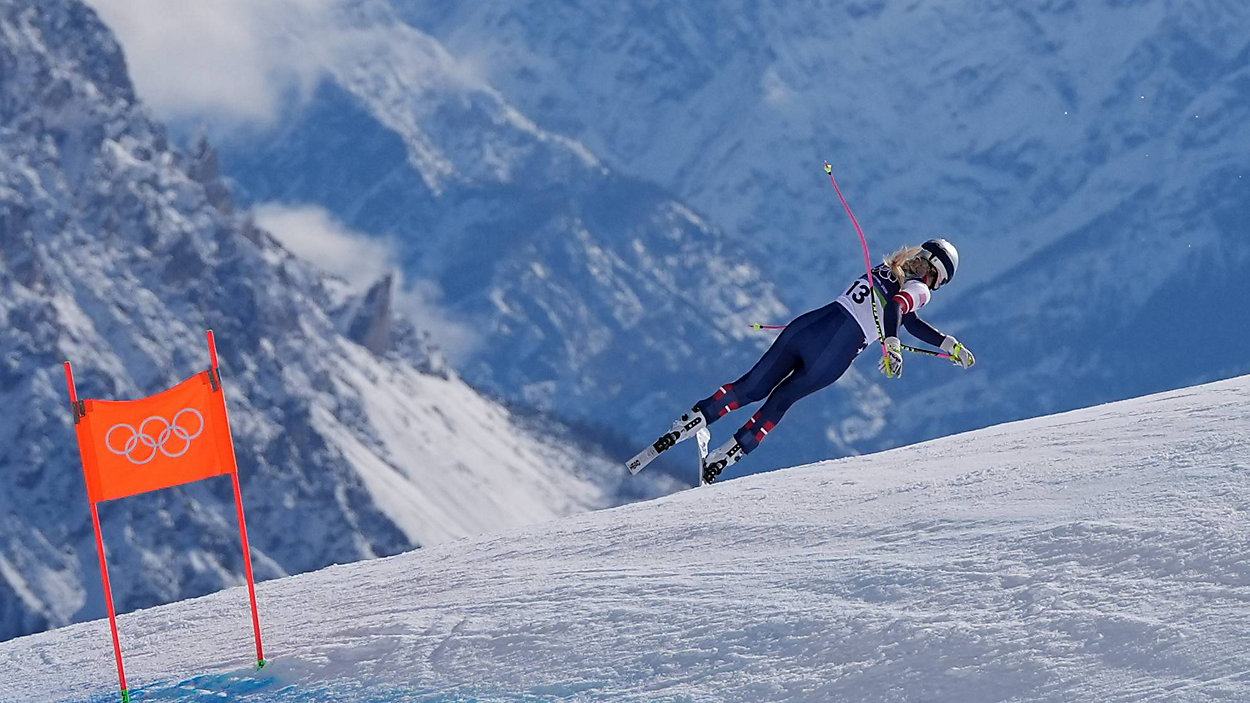
The Winter Olympics in Italy are capturing the eyes (and hearts) of millions around the world right now. There has been, and will be, many moments of celebration and sporting success -- but for Lindsay Vonn, her Olympics is unfortunately ending with a trip to the orthopaedic surgeon.
Tearing her ACL a week before the competition, Lindsay made the brave decision to compete anyways -- but after taking a turn to tight, she crashed, leading to a complex tibia fracture which will, according to her, take multiple surgeries to treat.
It's an unfortunate end to what may be her final Olympics, and shines light on the major orthopaedic risks that athletes who compete at the highest level take.
Her treatment process will be a long one -- at the bottom of this mailer, we highlight a few of the latest high-quality research articles on ACL and tibial fracture treatment to give you an idea of what the current evidence supports. Speedy recovery Lindsay! |
|
|
OE PODCASTS |
|
|
 |
|
So what happened in 2025 and what can we expect in 2026?
In this episode of the OrthoJoe podcast, Mo and Marc talk about the most popular JBJS research in 2025, from a robust trial showing early weight-bearing after ankle fracture fixation is safe for most patients, to objective sleep-tracking data revealing substantial sleep loss on home call for surgeons and residents.
The discussion then turns to alignment strategies and robotics in total knee arthroplasty, cemented versus cementless fixation, and how AI-driven, trial-focused tools like OE’s chatbot may reshape journal clubs and guideline development, while emphasizing skepticism, traceability to primary data, and preserving human creativity.
Watch the full podcast here.
|
|
LATEST ORTHOPAEDIC RESEARCH |
|
|
|
Infrapatellar Versus Suprapatellar Nailing for Fractures of the Tibia – In adults with tibial shaft or simple distal tibial fractures treated with intramedullary nailing, does a suprapatellar nail insertion approach or an infrapatellar approach reduce postoperative knee pain and improve functional outcomes? (Read)
(Read)
(Read)
(Read)
(Read)
(Read)
(Read)
(Read) (Read) |
|
|
|
Intramedullary Nailing vs. Locking Plate for Distal Tibia Fracture at 5 Years: The FixDT Trial – In patients with distal tibial fractures, how does intramedullary nailing compare to locking plate fixation with respect to functional outcomes, as measured by the Disability Rating Index (DRI)? (Read)
|
|
|
|
ACB and IPACK Block vs ACB Alone for Pain and Opioid Use After ACL Reconstruction with BTB Autograft – In patients undergoing ACL reconstruction using a bone-patellar-tendon-bone autograft, does combining IPACL block with adductor canal blockade improve pain outcomes vs. adductor canal blockade alone? (Read)
|
|
|



