|
16 April 2024 | Volume 1 Issue 34 |
|
|
|
|
|
|
|
|
HAND AND WRIST |
|
|
 |
|
When non-operative measures fail, patients suffering from carpal tunnel syndrome (CTS) may require operative intervention. While carpal tunnel release with the endoscopic approach promises quicker recovery, it can pose potential risks and come at a higher cost. Previous studies offer mixed results on the efficacy and safety of the endoscopic technique, and there is a notable gap in comparing its two main types: single-portal and dual-portal techniques. This meta-analysis seeks to evaluate and contrast the outcomes of endoscopic carpal tunnel release (ECTR) against those for conventional open carpal tunnel release (OCTR), including an indirect comparison of the single- and dual-portal endoscopic methods.
Twenty-three randomized controlled trials (2284 patients) comparing ECTR versus OCTR in patients with carpal tunnel syndrome were included in this systematic review and meta-analysis. A subgroup analysis was also conducted on single- versus dual-portal endoscopic treatment. The primary outcomes of interest included complication and reoperation rates. Secondary outcomes included operative time, the incidence of scar tenderness and pillar pain, normalized satisfaction scale, the incidence of complete or near complete symptom relief, Boston Carpal Tunnel Questionnaire (BCTQ) symptom and function, and time to return to work.
-
No significant difference in complication rate (P=0.42) or rate of reoperation (P=0.39) was found between the ECTR and OCTR groups.
-
Patients in the ECTR group demonstrated a higher rate of transient nerve injury when compared to patients undergoing open release (P=0.002).
-
No significant between-group differences were found in terms of pillar pain, BCTQ scores, operative time and patient satisfaction.
-
In the ECTR group, scar tenderness was significantly diminished (P=0.01), as was time to return to work (p < 0.00001).
Bottom line. In patients undergoing carpal tunnel release for CTS, ECTR may provide certain advantages such as reduced scar tenderness and a shorter time to return to work. However, clinicians should be aware of the increased risk of nerve injury.
Check out the comprehensive analysis of this paper here.
|
 |
|
OE ORIGINAL |
|
|
 |
|
Vitamin D has many amazing functions within the human body. Observational studies have found low-levels of vitamin D to be correlated with a higher risk of developing a variety of medical conditions - from fractures to cancer. However, despite all of this promise, its role in preventing disease and promoting overall well-being has remained largely unsubstantiated in clinical research.
In this OE Original, we investigate this disconnect in modern vitamin D research. We also explore current research trends in orthopaedics, and consult the current evidence on the effectiveness of Vitamin D supplementation for orthopaedic patients.
Read the entire article here. |
|
|
ARTHROPLASTY |
|
|
 |
|
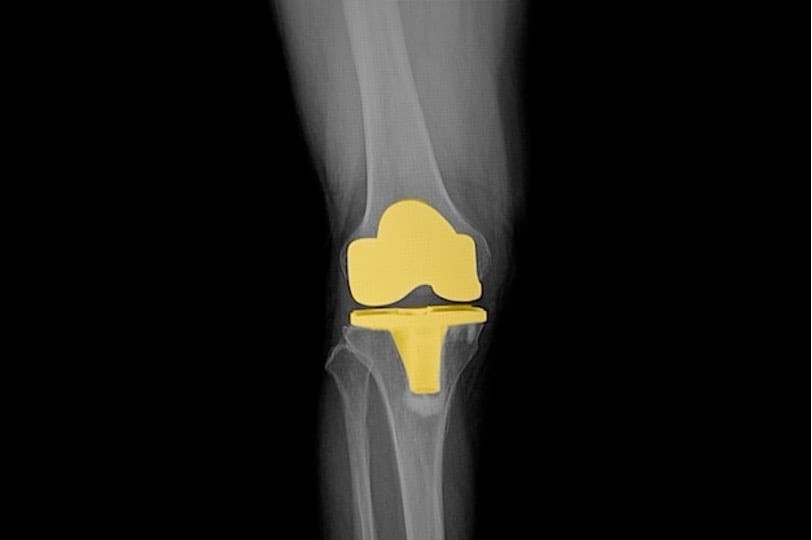
Total knee arthroplasty (TKA) is a common surgical procedure for patients with advanced osteoarthritis, aiming to alleviate pain and improve function. Three main TKA designs exist: cruciate-retaining (CR), anterior-stabilized (AS), and posterior-stabilized (PS), whereby the approaches to managing the posterior cruciate ligament (PCL) of the knee include either surgical resection or leaving the ligament intact. Despite numerous TKA designs available on the market, there is ongoing debate regarding the optimal approach to managing the PCL and which design yields better patient outcomes. This randomized control study aimed to address these gaps in knowledge.
Two hundred and sixteen patients with advanced osteoarthritis scheduled for primary TKA were randomized to receive one of three TKA prosthetic designs from the same system: cruciate-retaining (CR; n=72), anterior-stabilized (AS; n=72), or posterior-stabilized (PS; n=72). The primary outcome of interest was the mean score of all five subscales of the Knee injury and Osteoarthritis Outcome Score (KOOS) measured at a two-year follow-up appointment. Secondary outcomes included individual KOOS subscales, Oxford Knee Score, EuroQol five-dimension health questionnaire, EuroQol visual analogue scale, range of motion, and patient satisfaction. Outcomes were assessed up to two years postoperatively.
-
Overall, the study found no significant differences in patient-reported outcomes, including pain, function, satisfaction, and general health, among patients receiving CR, AS, or PS TKA designs at two-year post procedure.
-
However, the PS group demonstrated statistically better range of motion in flexion compared to the CR and AS groups (129° vs 122°; P<0.001).
Bottom line. The results of this study suggest that all three TKA designs (CR, AS, and PS) from the same system yield similar patient-reported outcomes up to two years postoperatively. However, the PS design showed better range of motion in flexion, although the clinical significance of this difference remains unclear.
Check out the comprehensive analysis of this paper here. |
|
EDITOR’S PICKS |
|
|
|
History of the AO – In this OrthoJoe podcast, Dr’s Marc Swiontkowski and Mohit Bhandari sit down with Hans Kreder, Joseph Schatzker, and Marvin Tile for a fascinating conversation on the history of the AO: the leading education provider to healthcare professionals working in trauma and musculoskeletal disorders! (Watch) |
|
|
|
Digitally Assisted Postoperative Rehabilitation – Is the future of postoperative recovery close to home? – In this OE Original, we break down the science on digitally assisted postoperative rehabilitation, including the major companies investing in rehabilitation technologies, future evidence coming down the pipeline, and most importantly, the evidence on the clinical effectiveness of digital interventions for postoperative rehabilitation. (Read) |
|
|
|
|
|
|
|
|
PS. Enjoying The Pulse? Make sure to move it to your primary inbox so you don't miss it!
Any topics you would like to see covered?
Send your ideas to info@myorthoevidence.com
|
|
|
|
|
|
|
|
|
This email was brought to you by OrthoEvidence |
|
|
|
|