|
|
|
 |
|
Presented by OrthoEvidence |
|
|
|
|
|
|
|
|
ARTHROPLASTY |
|
|
 |
|
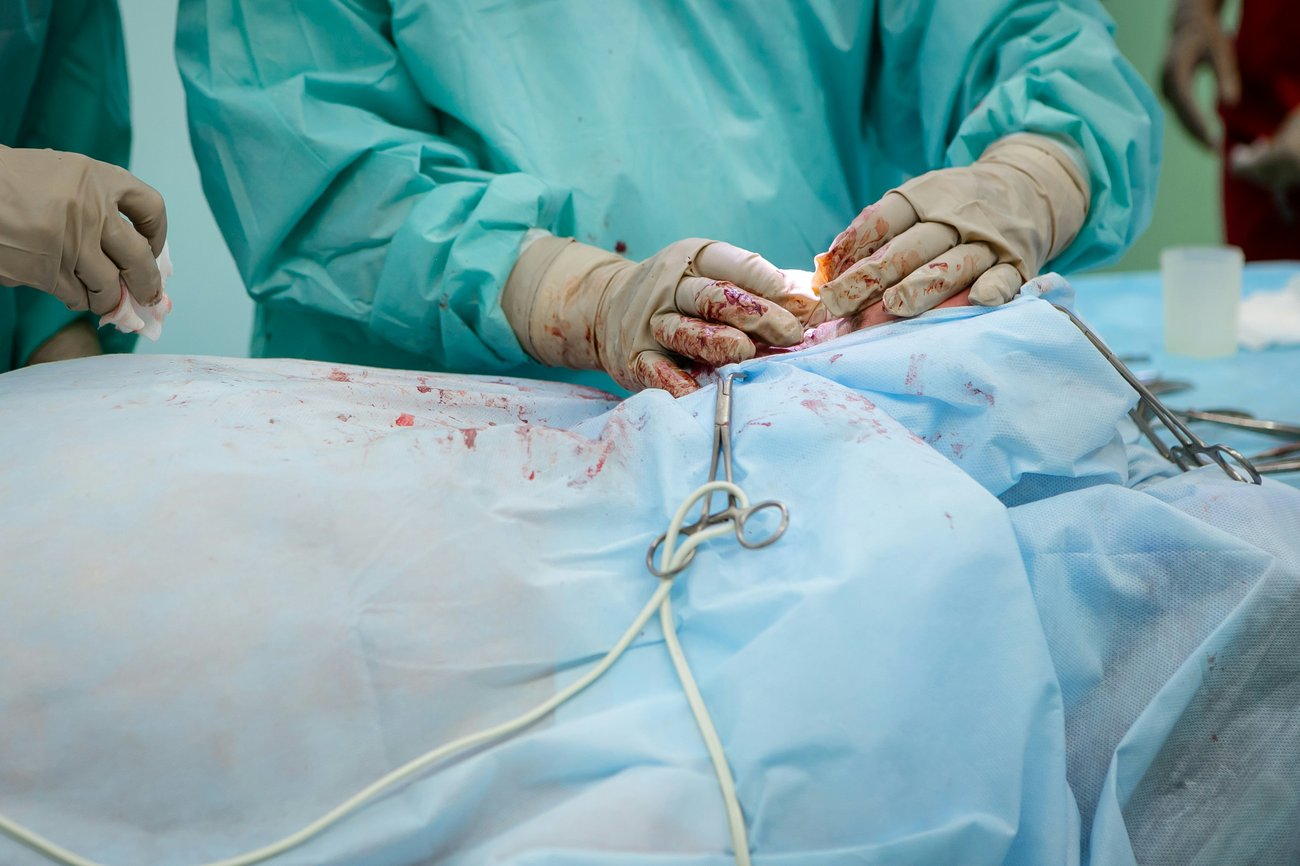
Tranexamic acid is probably the most popular hemostatic intervention used in total knee arthroplasty. But with questionable sustained efficacy due to rapid concentration loss and other factors, additional interventions to optimize the blood management strategy are warranted. This randomized trial aimed to see whether utilizing absorbable hemostat could reduce blood loss even further.
120 patients scheduled for a total knee arthroplasty procedure were randomized to receive either tranexamic acid, absorbable hemostat, or both. The primary outcomes of interest included total blood loss, hemoglobin and hematocrit levels, hemoglobin change, rate of anemia, number of transfusions, venous thromboembolism, complications, and other serious adverse events.
-
Total peri-operative and hidden blood loss were statistically significantly lower in the combination group compared to both the tranexamic acid and absorbable hemostat only groups.
-
As naturally follows, hemoglobin and hematocrit levels were significantly higher in the combination group.
-
There were no significant differences between groups observed in the rate of transfusion or transfusion volume.
-
Patients who received a combination of both treatments reported significantly lower rates of anemia.
-
No differences in venous thromboembolism, wound-related complications, or other serious adverse events were observed.
Bottom line. Combining absorbable hemostat with tranexamic acid may further reduce blood loss and the risk of anemia without increasing the risk of complications.
Read the full ACE Report on this study here.
|
 |
|
ORTHOPAEDIC NEWS |
|
|
 |
|
With 2026 well underway, its time for a quick look at what's new in the world of paediatric orthopaedics! At the JBJS, OrthoBuzz recently highlighted 5 very interesting studies in this area, selected by Dr Christina Hardesty:
-
The effect of skin tenting on the outcomes of adolescents with nonoperatively or operatively treated clavicular fractures was assessed in a multicenter retrospective review published in JBJS. No differences in patient-reported outcome measures, complications, or time to return to sport were observed between the nonoperative and operative groups.
-
A prospective study published in JBJS compared functional bracing and spica casting for femoral diaphyseal fractures in 80 patients between 6 months and 5 years old. Patients treated with casting demonstrated more difficulty with moving independently and were less likely to fit in a car seat.
-
Pulmonary function was assessed in 77 patients with idiopathic scoliosis 40 years after their diagnosis. The study findings point to “persistent, heterogeneous reductions in lung capacity” in this population, “underscoring the need for long-term monitoring and consideration of pulmonary health in clinical management".
See the rest of the top articles here.
Sourced from OrthoBuzz / Christina K. Hardesty MD |
|
|
OE PODCASTS |
|
|
 |
|
A cold Canadian morning sets the stage for a fascinating discussion with Dr. Kamran Hamid. You might have heard of him from social media -- in addition to being ankle injury specialist from Chicago, Dr Hamid is a stand-up comedian with a large following on platforms like Instagram!
In this episode of OrthoJoe, Dr Hamid talks about the pivots he's made in his life, including his entry into the world of comedy, the parallels between that world and orthopaedics, and how he's continuing to think big about his professional goals and the healthcare system at large.
Watch the full podcast here.
|
|
LATEST ORTHOPAEDIC RESEARCH |
|
|
|
Wound Complication and Infection Rates after Medicated Lavage for Periprosthetic Joint Infections – In adults undergoing primary total hip or knee arthroplasty at high-risk for periprosthetic joint infection, does vancomycin powder, dilute povidone-iodine lavage, or a combined vancomycin–povidone-iodine protocol compared with saline lavage alone reduce periprosthetic joint infection, wound complications, revisions, emergency department visits, or readmissions? (Read)
(Read)
(Read)
(Read)
(Read)
(Read)
(Read)
(Read) (Read) |
|
|
|
Behavioral Intervention to Foster Physical Activity after Complex Lumbar Surgery – In adults who have undergone complex lumbar surgery involving three or more levels/fusion, does a multicomponent behavioral intervention initiated three months postoperatively increase energy expenditure and physical activitycompared to provision of physical activity information alone? (Read)
|
|
|
|
Analgesic Efficacy of Anterior Plane Block and Intercostal Nerve Block for Rib Fractures – In adults with unilateral isolated rib fractures involving six or fewer ribs, does ultrasound-guided superficial serratus anterior plane block compared with ultrasound-guided intercostal nerve block result in greater reduction in pain and lower additional opioid requirements? (Read)
|
|
|



