|
23 February 2024 | Volume 1 Issue 19 |
|
|
|
|
|
|
Good Morning. Last week, over 7,000 surgeons, residents, and other healthcare professionals from around the world met in San Francisco for the 2024 AAOS meeting. And we covered it all: in this edition of The Pulse, we highlight some of the top randomized trials and meta-analyses from the meeting! For access to all of our AAOS 2024 ACE reports, click here. |
|
In today's edition: |
|
💊 Opioid-free pain management in anterior cervical spine surgery.
|
|
⏲️ Watchful waiting vs. physical therapy for frozen shoulder.
|
|
🦶 Conservative treatments for plantar fasciitis. |
|
|
|
|
|
SPINE |
Opioid-free pain management in anterior cervical spine surgery |
 |
|
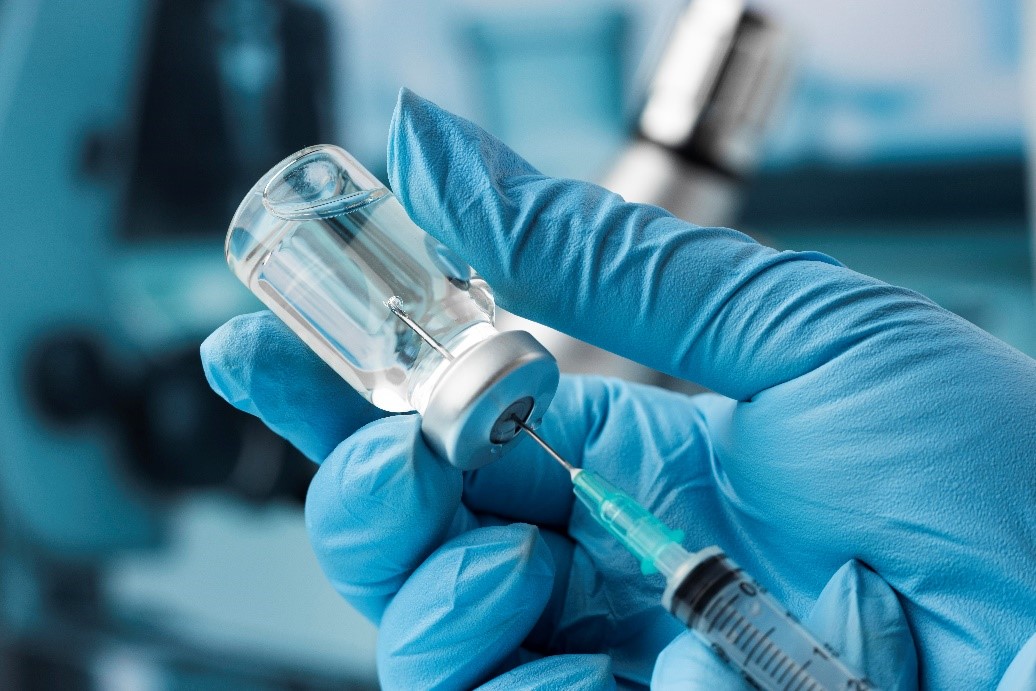
For many standardized pain management protocols for spine surgery, opioids remain a mainstay therapy. However, with recent attention to the adverse effects of opioids, optimizing non-opioid multimodal pain regimens has become a priority. This study aims to fill this research gap by being the first randomized controlled trial to compare an opioid-free protocol to traditional, opioid-containing pain management following anterior cervical spine surgery.
50 patients undergoing one- or two-level anterior cervical discectomy and fusion or anterior cervical disc arthroplasty were randomized to either an opioid-free (OF; n=22) or opioid-containing (OC; n=28) perioperative pain management protocol. Outcomes of interest include opioid consumption, measured in-hospital and at 2- and 6-weeks using morphine milligrams equivalents (MME); pain, measured using a numerical pain rating scale (NPRS) assessed pre- and post-operatively, at 6, 12, and 24 hours, and 2 and 6 weeks; patient comfort, assessed at 6, 12 and 24 hours; and patient satisfaction with pain control, assessed at 2 and 6 weeks.
-
MME consumption was less in the OF group at all time points.
-
Patients in the OF group reported significantly lower pain levels at 6 and 24 hours. No differences were found at the 12-hour and 2- and 6-week timepoints.
-
Patients in the OF group reported significantly better comfort levels at 12 and 24 hours.
-
Patient satisfaction was similar between groups.
Bottom line. An OF pain management protocol following anterior cervical spine surgery resulted in non-inferior pain control and equivalent patient-reported outcomes compared to an OC protocol. This study demonstrates that using an OF protocol in this patient population is possible and may be helpful to reduce the need for opioid analgesics.
Check out the comprehensive analysis of this paper here.
|
 |
|
SHOULDER & ELBOW |
Is watchful waiting as effective as physical therapy for adhesive capsulitis? |
 |
|
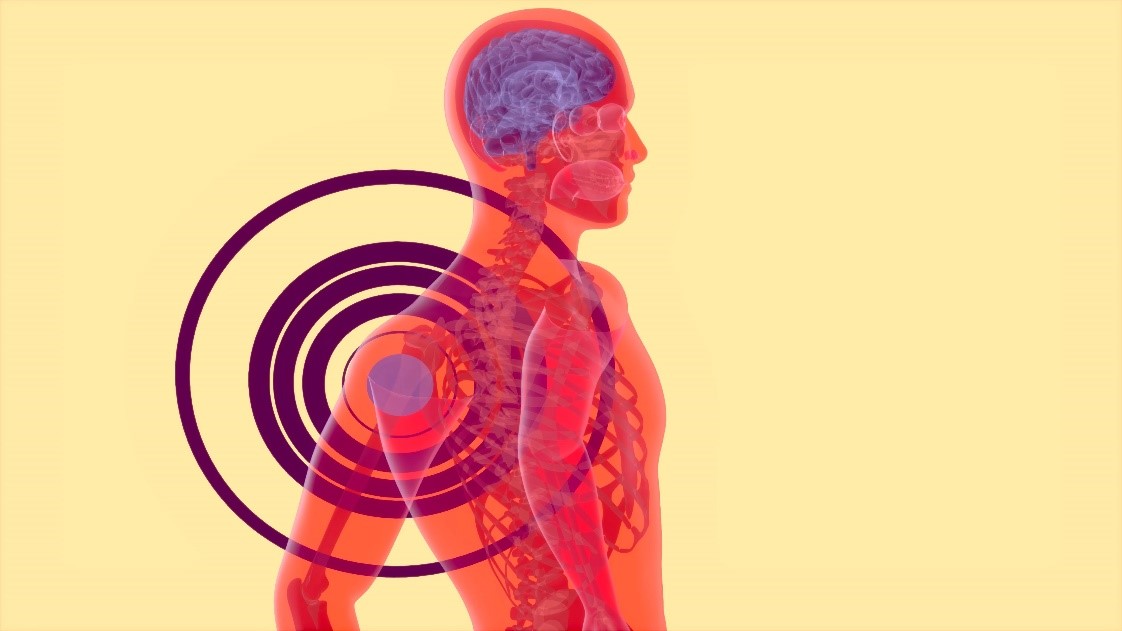
Driving down patient costs while improving patient outcomes – the fundamentals of value-based care. Finding the balance between these two important factors is not always easy, but is always of interest. In this study, researchers aimed to do just that by comparing the clinical and cost effectiveness of watchful waiting, a more conservative approach involving patient monitoring, and physical therapy for frozen shoulder.
61 patients with idiopathic frozen shoulder were randomized to receive either watchful waiting (WW; n=31) or physical therapy (PT; n=30). The primary outcome of interest was the American Shoulder and Elbow Surgeons score (ASES) questionnaire. Secondary outcomes of interest included pain scores on a Visual Analog Scale (VAS), the Disabilities of the Arm, Shoulder, and Hand (DASH) questionnaire, direct patient healthcare costs, and patient value (defined as the 12-month ASES score divided by healthcare costs). Outcomes were assessed at baseline, 6 weeks, and 3, 6, and 12 months.
-
Both treatment cohorts (WW and PT) showed significant improvements at each time point and for all PROMs (p<0.05 for all). Specifically, 31 patients (51.8%) assigned to WW and 30 patients (49.2%) to PT saw improvement.
-
There was no significant difference in PROMs between treatment modalities at any time point (p>0.05 for all).
-
Patients randomized to PT incurred 10X higher costs. The normalized mean difference in patient costs was 1,635.67 (95% CI: 967.19, 2,304.15; p<0.001).
-
Patients in the PT group only achieved 16.9% of the patient value (normalized mean difference: -146.97; 95% CI: -207.47, -86.47; p<0.001).
-
The improvement trajectory did not differ between the treatment modalities.
Bottom line. While both WW and PT are effective in improving patient-reported outcomes, WW may be a high-value, cost-effective approach for managing primary adhesive capsulitis.
Check out the comprehensive analysis of this paper here. |
|
|
FOOT & ANKLE
|
Conservative treatments for plantar fasciitis |
 |
|
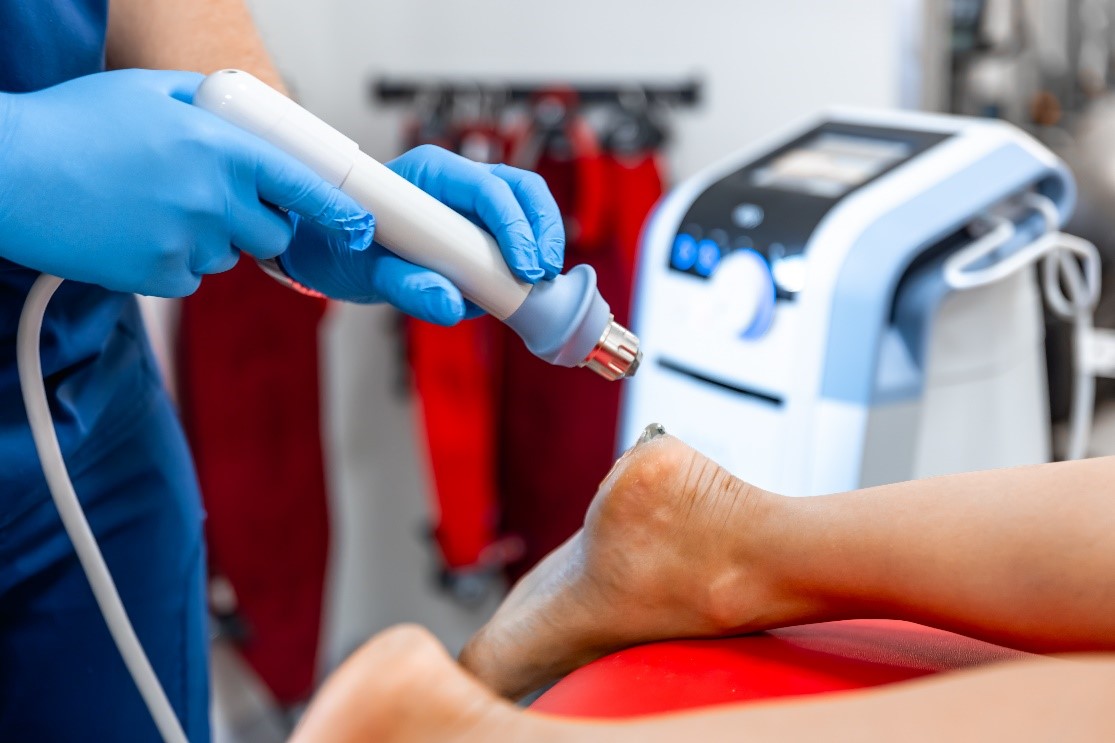
Plantar fasciitis is one of the main causes of heel pain – with roughly 1 in 10 people experiencing plantar fasciitis at some point in their lives. Employing conservative therapies are often recommended prior to more invasive treatment, but what types of conservative treatment are most effective in treating plantar fasciitis? This network meta-analysis provides necessary insights into the comparative effectiveness of various conservative treatments for plantar fasciitis.
16 randomized controlled trials (1247 patients) comparing extracorporeal shock wave therapy (ESWT) against other treatment modalities (minimal dose ESWT, topical corticosteroids + ESWT, dextrose prolotherapy, platelet-rich plasma (PRP), corticosteroid injections (CSI), custom orthotics (CO), and placebo) were included in this network meta-analysis. The outcomes of interest included pain on a Visual Analog Scale (VAS), plantar fascia thickness (PFT), and total Foot Function Index (FFI) after 12 weeks.
-
ESWT showed a significant reduction in pain and improvement in foot function compared to most treatments, but PRP therapy exhibited the greatest treatment effect in some measures.
-
The total FFI score showed significant improvements with ESWT, compared to PRP and CSI.
-
PRP showed a significantly better PFT outcome compared to ESWT.
-
ESWT was inferior to CO for VAS pain, PFT, and FFI.
-
There was substantial heterogeneity among the studies, indicating variability in the treatment effects across different studies.
Bottom line. While ESWT is a valuable treatment for plantar fasciitis, PRP might offer the highest probability of improvement in certain measures. The presence of substantial heterogeneity in the studies highlights the complexity of treating plantar fasciitis.
Check out the comprehensive analysis of this paper here.
|
|
EDITOR’S PICKS |
|
|
|
Osteoarthritis, Injectables & Knee Pain – Last week, we sat down with Dr. Eric Babins, family physician, sports medicine specialist, and owner of Southland Sport Medicine Clinic in Calgary. We discussed the existing knee injectable options for patients, his clinical experience treating athletes of all levels, and the essential importance of a good patient history. |
|
|
|
Digitally Assisted Postoperative Rehabilitation – Is the future of post-operative recovery close to home? In this Original, we analyze the current trends around digitally-delivered rehabilitation, as well as the evidence on its effectiveness. |
|
|
|
|
|
|
Nail vs. plate: the FixDT Trial – What’s the best fixation tool for distal tibial fractures: intramedullary nails or locking plates? The FixDT trial aimed to find out – led by Dr. Matthew Costa, they compared the two fixation methods with respect to function, quality of life, and the risk of complications. |
|
Did you enjoy this newsletter? |
|
I enjoyed it! |
|
It was nothing special |
|
I'm not a fan... |
Thanks for reading! More next week. |
|
|
|
|
|
|
|
|
PS. Enjoying The Pulse? Make sure to move it to your primary inbox so you don't miss it!
Any topics you would like to see covered?
Send your ideas to info@myorthoevidence.com
|
|
|
|
|
|
|
|
|
This email was brought to you by OrthoEvidence |
|
|
|
|