|
23 April 2024 | Volume 1 Issue 35 |
|
|
|
|
|
|
|
|
SPORTS MEDICINE |
|
|
 |
|
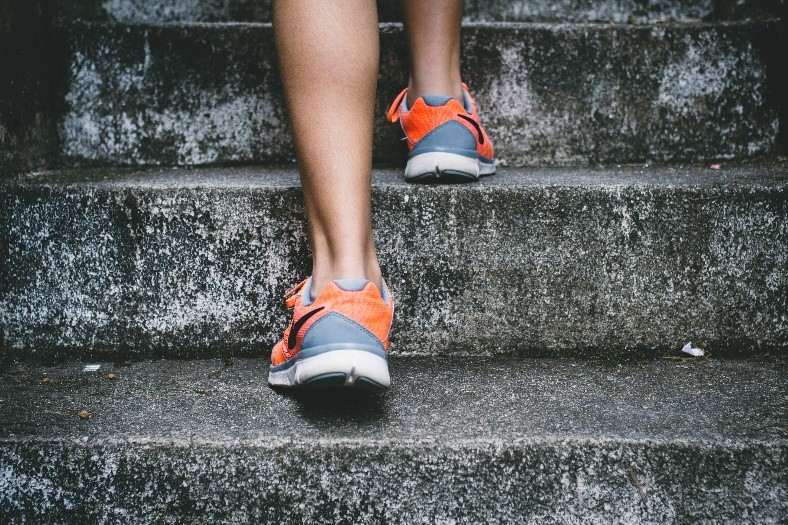
Recovery from ACL reconstruction can be a long, difficult process. Blood flow restriction training has been gaining popularity as a way to stimulate muscle strength. It’s possible that it could have some benefit for ACL reconstruction patients, who need to rapidly recover quadriceps strength to regain pre-injury functionality.
This randomized controlled trial enrolled 49 patients who underwent ACL reconstruction to receive blood flow restriction (BFR) training with a pneumatic cuff, or no additional treatment. All patients received a standardized 12 weeks post-operative physical therapy protocol, with the BFR group performing it with the cuff. Outcomes included patient reported outcomes, range of motion, muscle strength, and quadriceps circumference.
-
Patients who performed physical therapy with BFR demonstrated significantly greater quadriceps muscle force generation at 6 weeks post-operation (p=0.029).
-
The BFR group reported significantly better patient reported outcomes for physical function (PROMIS-PF; IKDC) at 6 weeks post-operation (p<0.05 for both).
-
No significant differences in muscle strength or patient-reported outcomes were observed at 3 or 6 months.
-
3 patients dropped out of the BFR group due to inability to tolerate the cuff.
Bottom line. The use of BFR during post-operative physical therapy after ACL reconstruction could accelerate functional recovery. However, by 6 months, the clinical benefits seem to diminish.
Read the ACE Report here.
|
 |
|
TRAUMA |
|
|
 |
|
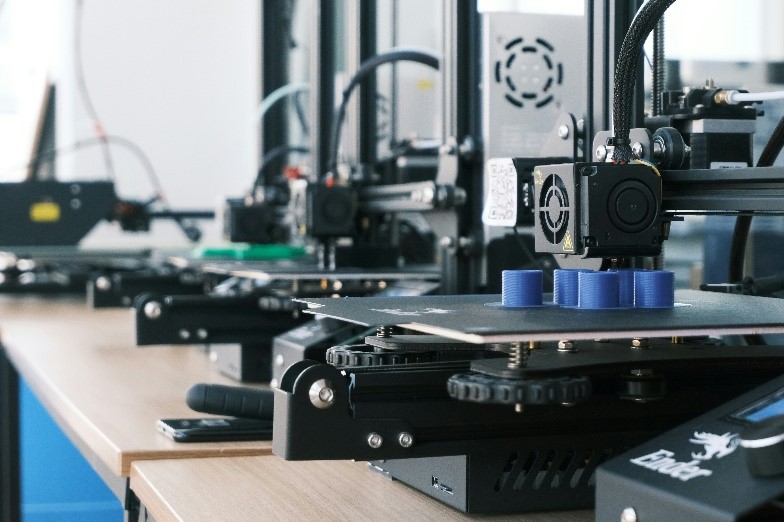
An innovation rising in popularity in surgery is 3D printing. 3D printing technology has been used to develop many of the tools needed in orthopaedic surgery, such as patient-specific instrumentation. Another potential use case is for the pre-operative planning. This study explored the effectiveness, feasibility, and safety of using 3D printed models of posterolateral tibial plateau fractures to simulate the procedure and develop a personalized treatment plan.
61 patients with posterolateral tibial plateau fractures were randomized to a conventional group which involved typical pre-operative planning (n=30) or a 3D printed group, in which a 3D printed model of the fracture was used to practice simulated fracture reduction and fixation. In the 3D printing group, the surgeons used the simulation operation to determine the appropriate plates and screws. In the conventional group, surgeon expertise was used.
-
The 3D printed group were operated on for significantly less time (p=0.020), and experienced less blood loss and fluoroscopy shoots (p<0.05 for both).
-
Length of hospitalization and fracture union time were similar in both groups.
-
Radiographic outcomes, functional outcomes, and complications were all similar between the two groups.
Bottom line. 3D printing of the fracture for pre-operative simulation of the procedure didn’t provide any post-0perative clinical benefit, but reduced operative time, blood loss, and # of fluoroscopy shoots. Its feasibility was demonstrated for posterolateral tibial plateau fractures.
Check out the comprehensive analysis of this paper here.
|
|
|
PAIN |
|
|
 |
|
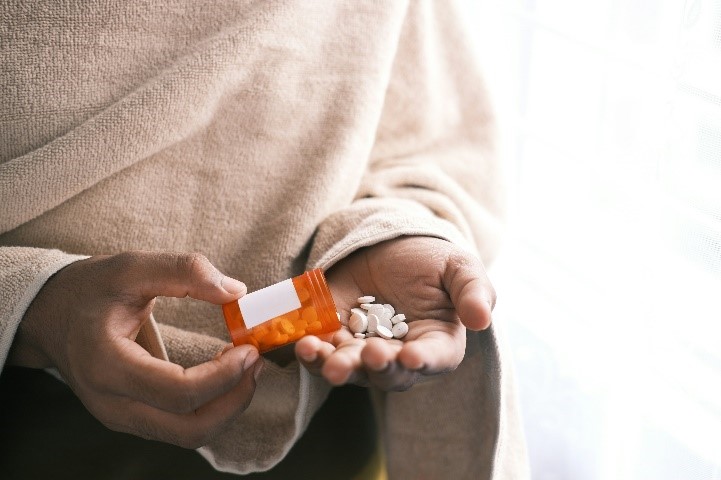
We all experience acute musculoskeletal pain at one point or another. Despite the wide range of interventions for acute musculoskeletal pain, many don’t get the relief they need. A network meta-analysis of the existing treatments allows physicians and patients to see how the current treatments stack up against one another.
207 randomized trials, with a total of 32,959 patients, were included in this network met-analysis comparing the effectiveness of outpatient treatments for acute, non-low back pain. Outcomes included pain, physical function, satisfaction, symptom relief, and adverse events.
-
Topical NSAIDs were the best performing intervention, providing improvements in pain, physical function, satisfaction, and symptom relief vs. placebo with no increase in adverse events.
-
Oral NSAIDs placed 2nd, demonstrating significant improvements in pain, physical function and symptom relief. However, they were associated with an increased risk of GI-related adverse events vs. placebo.
-
Acetaminophen, with or without diclofenac, also demonstrated clinical effectiveness, albeit to a lesser extent than NSAIDs.
-
Opioids did not outperform NSAIDs, and caused the most harm.
Bottom line. Topical NSAIDs, followed by oral NSAIDs, appear to be the best treatment options for acute, non-low back pain.
Check out the comprehensive analysis of this paper here. |
|
EDITOR’S PICKS |
|
|
|
BMI and Cutoffs in Orthopaedic Surgery – "BMI has long been used as a measure of obesity. It is convenient, easy to calculate, and is correlated with body fat mass in the general population. However, BMI is inherently limited – after all, it is merely "a proxy for adiposity". In this OE Insight, we discuss everything BMI. We start by examining its beginnings, as well as its progression to becoming the standard measure for obesity in clinical and research settings worldwide. We also unpack all of its advantages, limitations and alternatives as we attempt to answer one important question: Is the clinical convenience of BMI enough to justify its widespread use? Finally, we discuss the use of BMI in orthopaedics, particularly its utility as a cutoff for joint replacement surgeries. (Read) |
|
|
|
Quiet Quitting: In Pursuit of a Better Life – Burnout is on the rise. Now more than ever, people are considering leaving their jobs – even high-paying ones – in pursuit of a better work-life balance. For many, resigning is not an option: the phenomenon of ‘quiet quitting’, a decision to not go above and beyond the minimum job responsibilities, is becoming a common alternative. In this OE Insight, we discuss the current state of work in society, quiet quitting, and the factors that lead to it. (Read) |
|
|
|
|
|
|
|
|
PS. Enjoying The Pulse? Make sure to move it to your primary inbox so you don't miss it!
Any topics you would like to see covered?
Send your ideas to info@myorthoevidence.com
|
|
|
|
|
|
|
|
|
This email was brought to you by OrthoEvidence |
|
|
|
|