|
|
|
|
|
|
|
|
 |
|
The main concern when treating a first-time anterior shoulder dislocation is recurrence. This is particularly the case with younger patients: recurrence rates as high as 85% have been reported in patients under the age of 30.
Bankart lesions occur in a large proportion of patients, increasing the risk of recurrence. Conducing a Bankart repair (arthroscopic labral repair) at the first dislocation could help minimize the risk of recurrence, especially for the higher-risk, younger patients.
This randomized trial randomized 40 patients between the ages of 18 and 25 with a first episode anterior shoulder dislocation to receive an arthroscopic Bankart repair (n=20) or non-operative treatment with immobilization (n=20). The primary outcome of interest was recurrence within the 2-year follow-up.
-
Only 10% of patients who received Bankart repair reported recurrent shoulder instability within 2 years, compared to 70% of the immobilization group (p=0.0001). The rate of dislocation was 0% in the repair group vs. 30% in the immobilization group.
-
The rate of subluxation and positive apprehension tests was significantly better in the repair group (p=0.003; p=0.0005, respectively).
-
2/3 functional scores were significantly better in the repair group at 2 years follow-up.
-
More patients in the repair group returned to sport at a similar or higher level vs. the immobilization group.
Bottom line. For adult patients 25 or younger who experience a first-time anterior shoulder dislocation, arthroscopic Bankart repair could significantly reduce the risk of recurrent shoulder instability and dislocation and could improve functional outcomes.
Check out the comprehensive analysis of this paper in our ACE Report. |
 |
|
|
|
|
 |
|
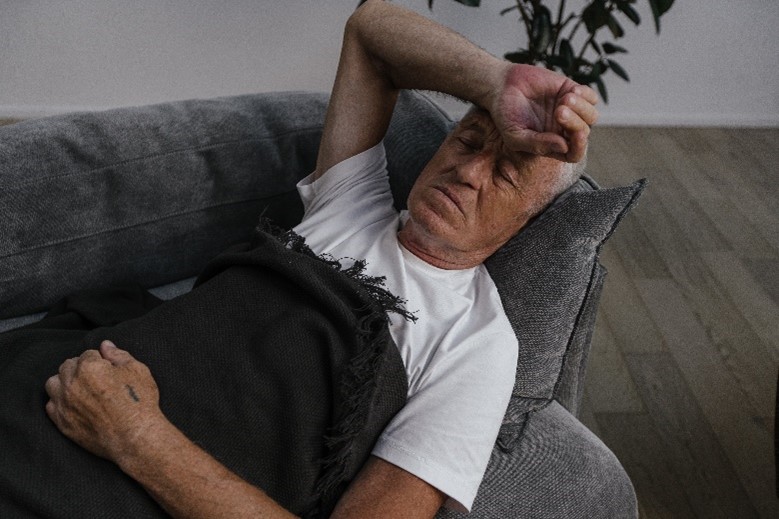
Osteoarthritis-related insomnia is a serious problem, with substantial impact on quality of life. Cognitive behavioural therapy (CBT) for insomnia has demonstrated good efficacy in improving sleep but may not be widely accessible. While web-based and mobile phone applications have tech requirements, a telephone-based intervention is universally accessible, especially with most osteoarthritis patients being elderly.
This randomized trial included 327 patients with moderate-severe osteoarthritis and insomnia to receive 8 weeks of telephone-based CBT for insomnia (n=163) or education only (n=164). The primary outcome of interest was the Insomnia Severity Index (ISI), measured up to 12 months follow-up.
-
Insomnia severity scores post-treatment and at 12 months follow-up were significantly better in the intervention group compared the control (p<0.001 for both).
-
Depression scores post-treatment (p=0.001) were significantly better in the intervention group.
-
Post-treatment, pain scores (severity, interference) were significantly lower in the intervention group.
-
Fatigue scores post-treatment and at 12 months follow-up were significantly better in the intervention group compared the control (p<0.01 for all).
-
The number of patients with a ≥30% improvement in depression scores, fatigue, and insomnia severity was significantly higher in the intervention group.
Bottom line. An 8-week, telephone-based CBT program was effective in improving insomnia and fatigue, reducing depression symptoms, and lessening pain for patients with moderate-severe osteoarthritis. This could be an accessible and scalable intervention.
Check out the comprehensive analysis of this paper in our ACE Report. |
|
|
|
|
|
 |
|
Many guidelines recommend non-operative treatment with casting for adequately reduced distal radius fractures, but increasingly, surgeons are opting for surgical treatment. The volar locking plate fixation is growing in popularity, and with recent evidence suggesting superior outcomes with surgical fixation, a randomized trial comparing it to cast immobilization in patients with displaced and acceptably reduced distal radius fractures was of interest.
The VIPAR Trial, conducted in 13 hospitals in the Netherlands, randomized 96 patients with displaced intra-articular distal radius fractures that had been acceptably reduced via closed reduction to receive either cast immobilization (n=48) or volar plate fixation (n=48). The primary outcome of interest was function, measured with the Patient-Rated Wrist Evaluation (PRWE) scale.
-
Patients who received volar locking plate fixation reported significantly better functional scores at 6 weeks, 3 months, 6 months, and 12 months follow-up (p<0.05 for all).
-
The operatively treated group demonstrated significantly better physical quality of life scores at 3 and 12 months compared to the casting group. No differences in mental quality of life scores were observed.
-
Range of motion and grip strength were significantly better in the operatively treated group in the first 6 months.
-
No differences in pain or incidence of complications were observed (p>0.05 for both).
-
28% of non-operatively treated patients required surgery due to malunion or displacement.
Bottom line. Operatively treating displaced and adequately reduced distal radius fractures with volar plate fixation led to significantly better function, grip strength and range of motion, and greater quality of life compared to casting.
Check out the comprehensive analysis of this paper in our ACE Report. |
|
EDITOR’S PICKS |
|
|
|
The APOLLO Trial – Last week, the APOLLO trial was released in JAMA Network Open, studying the important question of approaches to hemiarthroplasty. While previous evidence had suggested that the posterolateral approach provided superior outcomes over the direct lateral approach, the APOLLO Trial found no difference in quality of life and a higher rate of dislocation. (Read) |
|
|
|
An Orthopaedic Residency Research Year – In this OrthoJoe podcast, Mo and Marc discuss the increasing importance of research for getting into orthopaedic residency. (Watch) |
|
|
|
|