|
|
|
|
|
|
|
|
 |
|
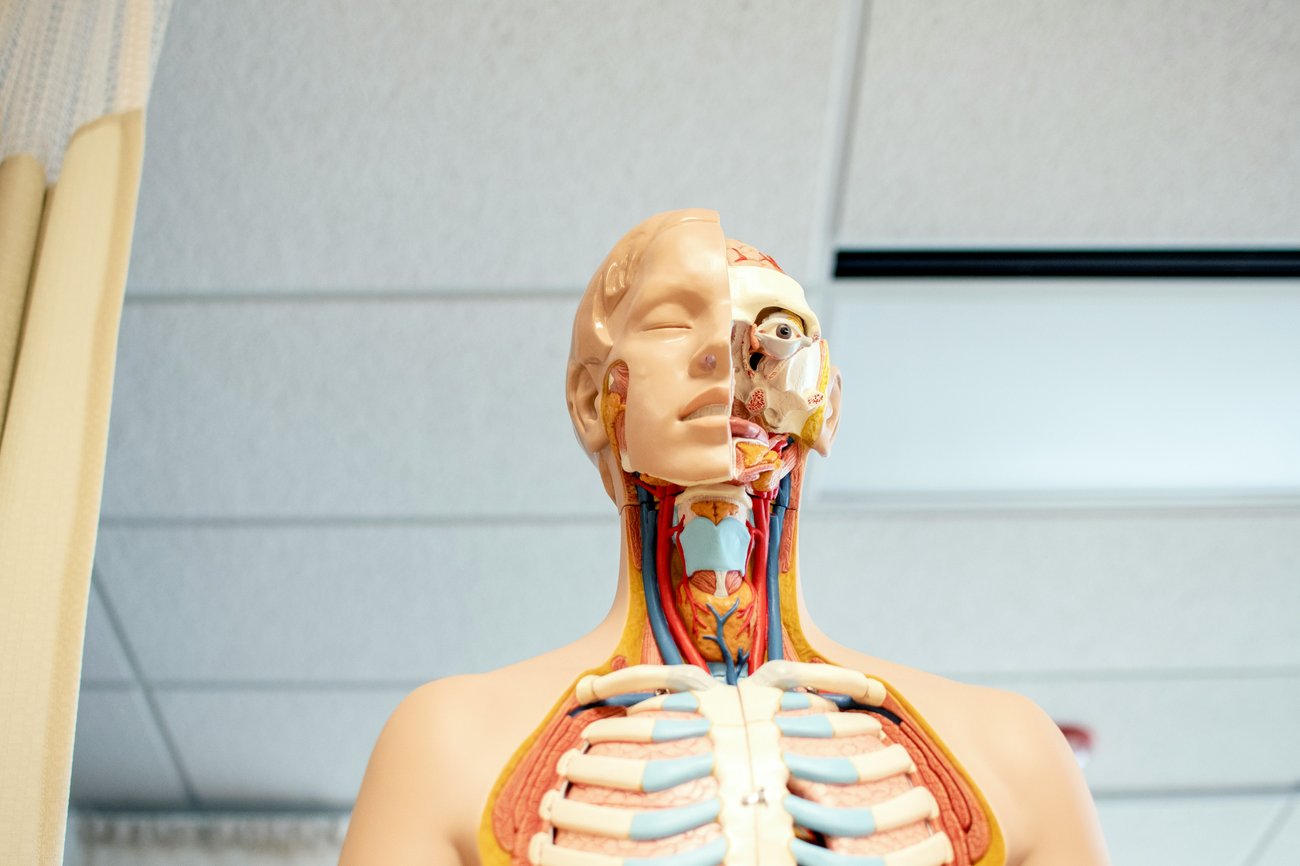
The potential complications associated with unstable chest wall injuries like flail chest are many. Physicians tend to opt for non-surgical intervention, including intubation, physiotherapy and analgesic use. However, several studies have indicated that surgical fixation of the rib fractures provide better outcomes. To help settle the debate, researchers led by Dr. Dehghan conducted a large, multi-center RCT.
211 patients with displaced rib fractures with flail chest or severe, non-flail chest wall injuries were randomized to receive either standard non-operative care (i.e., mechanical ventilation, pulmonary toilet or chest physio, drainage, and pain management) (n=100) or surgical stabilization of the chest wall and fracture fixation (n=111). The primary outcome of interest was the number of ventilator-free days (VFDs).
-
There were no significant differences between the surgical and non-surgical treatment groups in the number of ventilator-free days (p>0.05).
-
Length of stay in the hospital and ICU were similar in both groups.
-
The rate of complications were similar in both groups, however, the incidence of mortality during hospitalization was significantly higher in the non-operative group (p=0.01).
-
Among patients who were ventilated at the time of randomization, operative treatment significantly reduced the length of stay and increased the number of ventilator-free days.
Bottom line. Operative treatment of unstable chest wall injuries could provide advantages over non-operative treatment, particularly in patients who require mechanical ventilation.
Read the full ACE Report on this study here. |
 |
|
|
|
|
 |
|
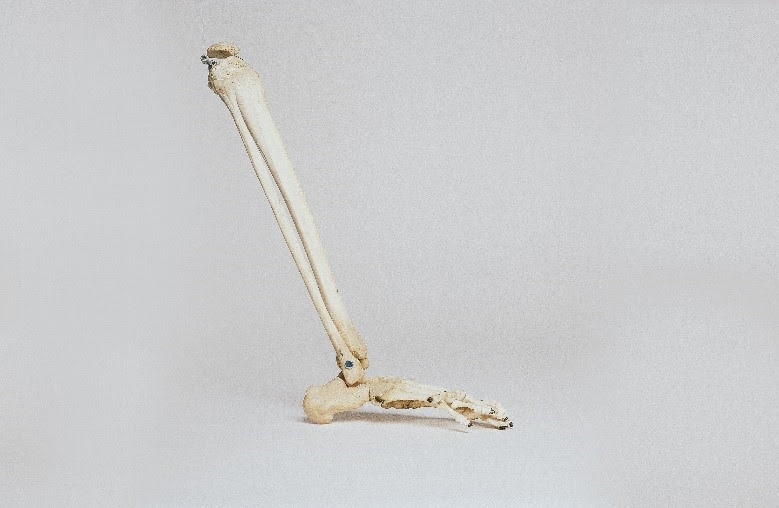
Pain. Disability. Reduced quality of life. Ankle osteoarthritis is a significant burden for patients, caregivers, and the healthcare system. And if ankle osteoarthritis reaches end-stage, surgical intervention may be necessary.
Total ankle replacement and ankle arthrodesis are two surgical procedures that have demonstrated good outcomes. However, they are very different treatments, with one fusing the bones to limit joint movement and the other replacing the joint to retain movement. There is a lack of high-quality evidence comparing the two: the TARVA study, published in Annals of Internal Medicine, aimed to be the first multicentre RCT to compare the two treatments.
Including 17 NHS sites across the United Kingdom, this pragmatic, open-RCT randomized 303 patients with ankle osteoarthritis to receive either total ankle replacement (n=152) or an arthrodesis (n=151). The primary outcome of interest was the Manchester-Oxford Foot Questionnaire (MOXFQ) walking/standing domain.
-
At 52 weeks post-operation, all MOXFQ walking/standing scores not clinically or statistically different between the two groups.
-
At 52 weeks post-operation, the replacement group demonstrated better improvement in range of motion and activities of daily living scores.'
-
The incidence of adverse events was similar in both groups; the replacement group had a higher rate of wound healing issues, while the arthrodesis group had more thromboembolic and non-union events.
-
Post-hoc analyses found significantly better outcomes with fixed-bearing total ankle replacement vs. arthrodesis.
Bottom line. Both arthrodesis and total ankle replacement provided similar clinical and safety outcomes. However, results suggest a potential superiority of fixed-bearing total ankle replacement.
Read the full ACE Report on this RCT here. |
|
|
|
|
|
 |
|
Surgery is only half of the battle for patients – the post-operative phase is essential to optimizing recovery. Patient education during the post-operative process has been found to significantly improve outcomes; with technology playing an increasing role in the medical care, there’s an opportunity to deliver important information via text message. This study aimed to find out whether such a strategy could be effective in patients recovering from hip arthroscopy.
121 patients undergoing a hip arthroscopy procedure were randomized to receive 90 days of automated text-message providing peri-operative instructions, mental health education, and physical rehabilitation information (n=57) or standard post-operative management (n=64). Outcomes of interest included physical function, pain, and patient satisfaction.
-
Hip and physical function scores were similar in both groups at post-operative day 90, suggesting no benefit of automated text messaging.
-
Compliance with physical therapy was similar in both groups.
-
Most participants (95.7%) in the text messaging group said they would want to receive text messages again in the event of another hip arthroscopy procedure. More than half said it made them feel more connected to their care team.
Bottom line. Automated text messages post-hip arthroscopy did not result in any meaningful improvement in clinical outcomes. However, data suggests that patients appreciate the additional level of connection – if costs can be kept low and messaging optimized, it might have value.
Read the full ACE Report on this trial here. |
|
EDITOR’S PICKS |
|
|
|
Skin Antisepsis Before Fracture Surgery – In this OrthoJoe podcast, Mo & Marc were joined by the lead investigators of the PREPARE Trial. Published in the New England Journal of Medicine, the PREPARE Trial found that iodine-in-alcohol antiseptic solution significantly outperformed chlorhexidine-in-alcohol solution for preventing surgical site infection in closed extremity fractures. (Watch) |
|
|
|
ChatGPT: A Healthcare Gamechanger? – ChatGPT has taken the world by storm. In every sector of society, people are rushing to understand how its utility. But what about medicine – what role will it have, and how soon? (Read) |
|
|
|
|