|
|
|
|
|
|
|
|
 |
|
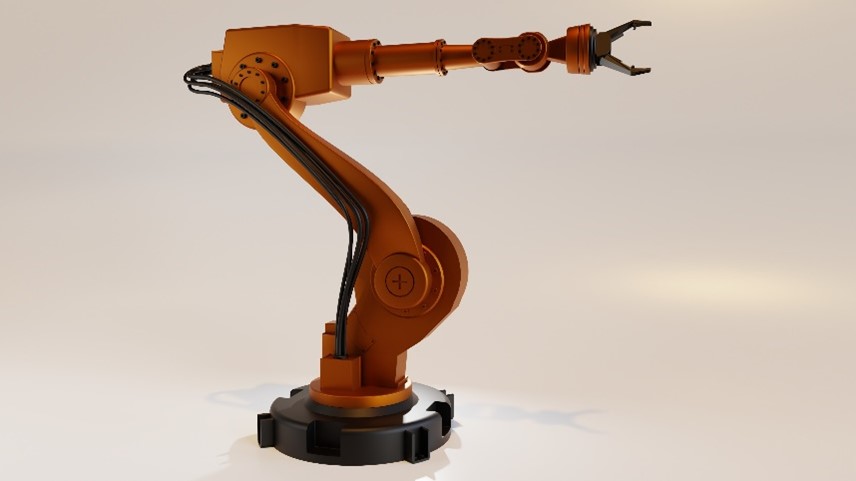
Robotics are on the rise in orthopaedics. Several studies have shown the superiority of robotic total knee arthroplasty (TKA) compared to conventional TKA with respect to placement accuracy. In the last 10 years, Stryker has developed and released an imageless robotic system that utilizes a handheld device that the surgeon uses to perform the surgery. Whilst positive outcomes have been observed in cadaveric studies, an RCT was needed to confirm its effectiveness.
60 patients undergoing a unilateral primary TKA were randomized to receive the surgery via the Navio Robotic System (n=32) or via conventional methods (n=28). The outcomes of interest included mechanical alignment and component positioning.
-
Mechanical axis deviation was significantly lower in the robotic group compared to the conventional TKA group (p=0.019).
-
Deviation in femoral and tibial coronal alignment was significantly lower in the robotic group (p<0.05 for both). No differences in femoral or tibial sagittal alignment were observed between the two groups.
-
Joint line deviation was significantly lower in the robotic group (p<0.001).
Bottom line. The use of the Navio system – an imageless semi-autonomous robotic system – provided significantly greater component placement accuracy and mechanical alignment compared to conventional arthroplasty.
Check out our full ACE Report on this paper. |
 |
|
|
|
|
 |
|
With millions of extremity fracture surgeries every year, preventing infection is critical to minimizing costs and healthcare system burden. Alcohol-based antiseptic solutions are widely recommended, but it’s not clear whether iodine or chlorhexidine-based solutions work best. As part of the PREP-IT program, the PREPARE trial compared the two solutions to find out which provided the greatest reduction in surgical site infection!
8,485 patients with open extremity fractures or closed lower-limb or pelvic fractures were included in this cluster-randomized, crossover trial including 25 sites in the USA and Canada. The hospitals used an iodine-based alcohol solution or chlorhexidine-based alcohol solution for pre-operative anti-sepsis, crossing over to the alternate intervention every 2 months. The primary outcome of interest was surgical site infection, and the secondary outcome of interest was unplanned reoperation.
-
The odds of surgical site infection were not significantly different between the iodine- and chlorhexidine-based alcohol solutions in patients with open fractures. However, in patients with closed fractures, the odds of surgical site infection were significantly lower in the iodine group (p=0.049).
-
The incidence of unplanned operation was similar in both the closed-fracture and open-fracture populations.
Bottom line. In patients with closed extremity fractures, iodine-based alcohol solutions could significantly reduce the incidence of surgical site infection compared to chlorhexidine-based solution.
Check out our ACE Report on this paper, as well as our exclusive interview with co-investigators Dr. Sheila Sprague and Dr. Gerard Slobogean. |
|
|
|
|
|
 |
|
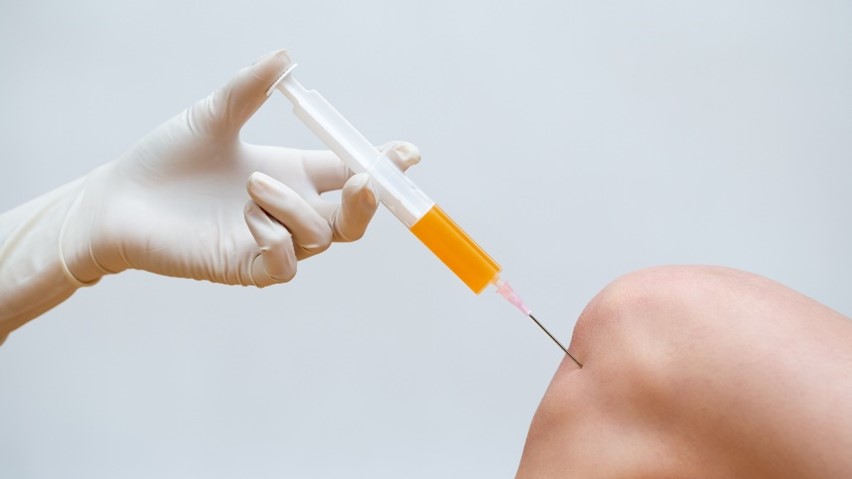
Platelet-rich plasma (PRP) – it’s one of the most popular, and controversial, treatments in orthopaedics. Its efficacy has been debated in the literature, but some studies have found it to be safe and effective for the treatment of knee osteoarthritis.
One of the greatest areas of ambiguity is the optimal composition and regimen. Whether PRP should performed as a single injection or multiple injections is unclear: we performed a systematic review and meta-analysis of the available RCTs to find out!
We searched MEDLINE, EMBASE, Cochrane, and the OrthoEvidence database for RCTs comparing single and multiple injections of PRP in knee osteoarthritis patients. We found a total of 8 RCTs, including 906 patients.
-
Pain: the meta-analysis of VAS pain scores found that multiple injections led to significantly lower pain scores at 3-, 6- and 12-months follow-up (p<0.05 for all).
-
WOMAC score: the meta-analysis results showed no significant difference in WOMAC scores between single and multiple injections at 1-, 3- and 6-months follow-up (p>0.05 for all).
-
Adverse events: the risk of adverse events was significantly lower in the single PRP injection group (p=0.009).
Bottom line. Multiple injections of PRP may be more effective than a single injection with respect to pain reduction for patients with knee osteoarthritis, but could come at an increased risk of adverse events.
For more, read the full OE Original here. |
|
EDITOR’S PICKS |
|
|
|
What’s Important: Arts & Humanities – In this OrthoJoe podcast, Dr’s Mohit Bhandari & Marc Swiontkowski sit down with Dr. Bob Schneck for a discussion on how the intersection between the arts & humanities and surgery, and the value it can bring to surgeons. (Watch) |
|
|
|
Dr. Mohit Bhandari: The New Editor-in-Chief of JBJS – We are delighted to announce that our co-founder Dr. Mohit Bhandari has recently become the new Editor-in-Chief of JBJS, the premier orthopaedics journal. Congratulations Mo! (Read) |
|
|
|
|