|
|
|
|
|
|
|
|
 |
|
Non-operative therapies are essential for managing the symptoms of knee osteoarthritis, particularly in the early stages. While hyaluronic acid has long been used as a viscosupplementation intervention, recent evidence has called into question its efficacy, and many guidelines do not recommend it. With the search for effective non-operative treatments ongoing, cooled radiofrequency ablation has arisen as a potential alternative.
While literature exists comparing cooled radiofrequency ablation to other non-operative treatments such as corticosteroids, there is limited evidence comparing it to hyaluronic acid. Published in the Journal of Bone and Joint Surgery, this multicentre RCT aimed to compare it to hyaluronic acid.
177 patients with knee osteoarthritis pain unresponsive to prior treatment were randomized to receive either cooled radiofrequency ablation of 4 genicular nerves (n=89) or a single intra-articular injection of hyaluronic acid (n=88). The primary outcome of interest was the proportion of patients with a 50% reduction in pain at 6 months.
-
Pain scores were significantly lower in the ablation group compared to the hyaluronic acid group at 1, 3 and 6 months (p<0.01 for all). 71% of patients in the ablation group had ≥50% reduction in pain vs. 38% in the hyaluronic acid group.
-
Knee pain, function and stiffness was superior in ablation group compared to the hyaluronic acid group throughout the 6-month follow-up (p<0.05 for all but 1 comparison).
-
Quality of life and general health scores were superior in the ablation group at 1, 3 and 6 months (p<0.05 for all).
Bottom line. Cooled ablation frequency outperformed a single hyaluronic acid injection in all clinical outcomes, indicating its viability as a potential symptom-manager for knee osteoarthritis.
Check out the comprehensive analysis of this paper in our ACE Report. |
 |
|
|
|
|
 |
|
One of the most common sites in emergency – buckle fractures of the distal radius. For suspected fractures, radiography is the go-to. But with limited availability in low- to middle-income countries, ultrasonography has been increasingly utilized.
Previous non-randomized studies found ultrasonography to provide effective, and often preferable, outcomes. However, its non-inferiority to radiography had not been demonstrated in a randomized trial. Until now.
The BUCKLED Trial was an open-label, non-inferiority RCT including 4 sites in Queensland Australia. Researchers randomized 270 pediatric patients presenting with an acute distal forearm injury suspected of fracture to receive ultrasonography (n=135) or radiography (n=135). The primary outcome of interest was physical function of the arm at 4 weeks.
-
No significant differences in physical function were observed between the two groups at 1, 4 or 8 weeks.
-
Patients who received ultrasonography were discharged earlier, missed fewer days of school, and were more satisfied with treatment.
Bottom line. Ultrasonography was found to be non-inferior to radiography, and actually led to greater satisfaction, faster discharge, and fewer missed days from school. This could be a game-changer for physicians in resource-constrained environments who may have limited access to radiographic imaging.
Check out the comprehensive analysis of this paper in our ACE Report. |
|
|
|
|
|
 |
|
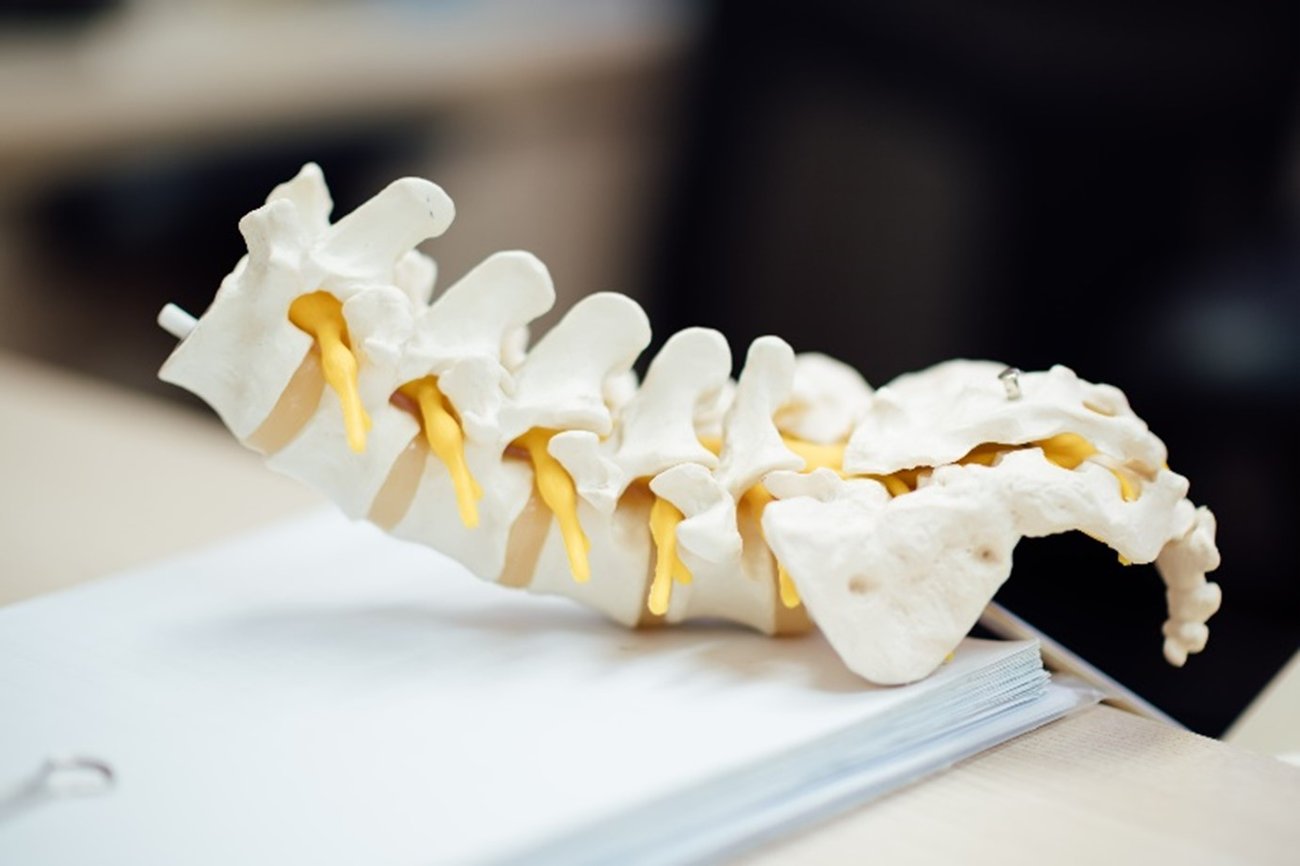
Cervical disc disease – characterized by degenerated and protruding discs – can cause significant pain, resulting in reduced quality of life and time away from work. The anterior cervical discectomy with fusion is widely used but has been associated with complications including adjacent segment disease. The cervical disc arthroplasty has been performed as a alternative: several meta-analysis have assessed the literature comparing the two procedures, but lacked long-term data.
This systematic review and meta-analysis identified 9 RCTs with a minimum follow-up of 7 years, including 2,664 patients compared anterior cervical discectomy and fusion (n=1,200) and cervical disc arthroplasty (n=1,464). The results of the meta-analyses were as follows:
-
The odds of clinical success were significantly higher with cervical disc arthroplasty (p<0.0001).
-
Pooled neck disability, arm pain, and range of motion outcomes were all significantly in favour of cervical disc arthroplasty (p<0.05 for all).
-
Physical quality of life scores were significantly in favour of cervical disc arthroplasty (p=0.01).
-
Motion rate, odds of adjacent syndrome, and the odds of re-operation were all in favour of cervical disc arthroplasty (p<0.01 for all).
Bottom line. Cervical disc arthroplasty outperformed anterior discectomy and fusion on most clinical outcomes. With the inclusion of long-term follow-up studies, the evidence in favour of cervical disc arthroplasty for cervical disc disease is compelling.
Check out the comprehensive analysis of this paper in our ACE Report. |
|
EDITOR’S PICKS |
|
|
|
The INSITE Trial – One of the largest, most influential orthopaedic trials of 2023, the INSITE trial compared intramedullary nailing to sliding hip screws for the treatment of trochanteric fractures. While intramedullary nails are the dominant implant choice, they are more costly. Are sliding hip screws just as good? (Read More) |
|
|
|
More Pain, More Gain? Exercise for Osteoarthritis – Dr. Seper Ekhtiari, orthopaedic surgeon and fellow at the University of Cambridge, breaks down the science of osteoarthritis and the current evidence on exercise for patients with or at risk of osteoarthritis. (Read More) |
|
|
|
The PARITY Trial: A Conversation with Dr. Michelle Ghert – In this OrthoJoe podcast, Dr. Mohit Bhandari and Dr. Marc Swiontkowski sat down with Dr. Michelle Ghert for a conversation on the PARITY Trial. Published in JAMA Oncology, the PARITY trial was a large, international RCT which found no difference between 1- and 5-day antibiotic regimens on surgical site infection after lower extremity bone tumour surgery. (Watch) |
|
|