|
|
|
|
|
|
|
|
|
Evaluation of 1,715 total knee arthroplasty patients finds patellar resurfacing to be 99% cost-effective after 20 years. |
 |
|
The utility of patellar resurfacing in total knee arthroplasty remains hotly debated.
The Knee Arthroplasty Trial (KAT) was set up on 1999 to analyze its merits.
And just recently, the 20-year clinical and economic results were published in Lancet.
Among 1,715 patients randomly assigned to either patellar resurfacing or no resurfacing, researchers found that, after 20 years:
-
While there were no statistically significant differences in clinical outcomes (function, quality of life, readmission, complications, re-operation), all consistently favoured resurfacing.
-
There was a greater improvement in quality-adjusted life-years with patellar resurfacing (p=0.02).
-
Component and in-patient costs were high with patellar resurfacing (p<0.001). However, patellar resurfacing was found to be 99% cost-effective, including a 51% probability of being less costly and more effective overall.
Takeaway: the clinical benefits are small, but over 20-years, the evidence suggests those improvements add up to being cost-effective. |
|
|
|
Full Analysis → |
|
|
|
|
|
|
|
|
|
|
|
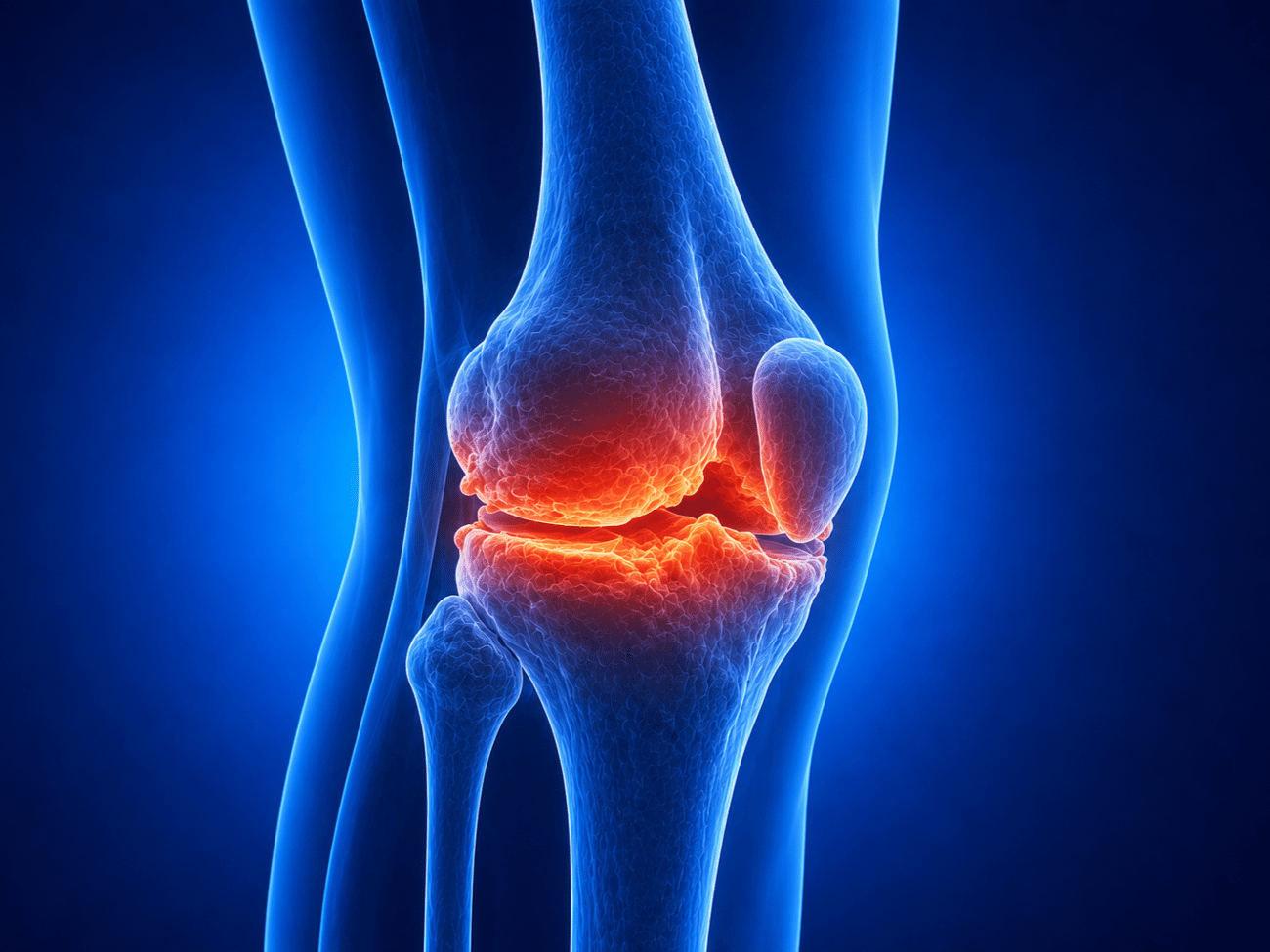
Smart-sensor enabled implants may be able to predict the risk of periprosthetic joint infection. |
 |
|
The world of orthopaedics is becoming increasingly technological.
This has provided new opportunities to merge the hardware aspects of the profession with the ever-increasing power of software. One area in which this is made evident in in the field of smart-implants.
According to recent results, the use of smart-implants in knee arthroplasty, which track range of motion, step count, and walking speed, can even be used to predict the risk of periprosthetic joint infection.
Patients had a meaningful decline in step count, walking speed and range of motion before diagnosis of deep infection, while patients who were taking antibiotics had a significant decline in step count.
“One of the things about arthroplasty infections is the earlier you catch it, the better it gets,” Cushner told Healio. “If you catch it late, then everything has to come out and we can debate whether to do a one-stage or two-stage, but still it is a big operation. If you catch it early then the [debridement, antibiotics and implant retention (DAIR)] procedure is much more effective."
|
|
|
|
Read the Article → |
|
|
|
|
|
|
|
|
 |
|
In athletes, we focus a lot on getting injured players back on the pitch -- even if it requires surgery, and even if it costs a little more.
But that type of reasoning is often not applied to the average humeral shaft fracture patient.
In this episode of the OrthoJoe podcast, Mo & Marc sit down with Dr Bradley Petrisor, surgeon and professor at McMaster University, about a recent cost-effectiveness analyses which found that surgery can accelerate recovery, return to work, and early function, making it more cost-effective from a societal perspective.
|
|
Watch Now → |
|
|
|
|
|
Anterior Cervical X-Shape-Corpectomy and Fusion Versus Anterior Cervical Corpectomy and Fusion for Cervical Spondylotic Myelopathy — In patients with one or two-level cervical spondylotic myelopathy requiring anterior decompression, does ACXF compared with ACCF improve composite surgical success, perioperative outcomes, patient-reported outcomes, and radiological outcomes?
(Read)
(Read)
(Read)
(Read)
(Read)
(Read)
(Read) (Read) |
|
|
|
Effectiveness of Nonpharmacologic Treatments for Chronic Low Back Pain —In adults with chronic low back pain, does PT improve function and pain more than CBT as first-stage treatment, and among initial nonresponders, does mindfulness provide greater benefit than switching treatments?
(Read)
(Read)
(Read)
(Read)
(Read)
(Read)
(Read) (Read) |
|
|
|
Bone Marrow Aspirate Concentrate Improves the Early Osseous Integration of Fresh Osteochondral Allografts in the Knee — In adults undergoing FOCA transplantation for focal osteochondral lesions of the knee, does augmentation with BMAC improve early osseous graft integration and clinical outcomes compared with FOCA transplantation without BMAC?
(Read)
(Read)
(Read)
(Read)
(Read)
(Read)
(Read) (Read) |
|
|
|
Two ways to inform your clinical decisions |
FastTrack — what your peers are reading across the network
OE Signal — personalized weekly evidence based on your interests |
|
|
|
|