|
|
|
Good Morning. Is AI a better doctor than you? Some studies say ‘yes’. This 2023 study published in the Annals of Emergency Medicine found that ChatGPT was as good (and often better) at generating a differential diagnosis for patients presenting to the emergency department. And this 2024 preprint employing a large language model designed for diagnostic dialogue found that the model greatly outperformed primary care physicians on a majority of clinically-meaningful performance axes.
What does this mean for medicine? Well, likely the future looks less ‘AI-takeover’ and more ‘AI-enabled’ – with AI becoming a powerful tool that allows physicians to do more with their more human skills, and less with the rote, mundane and time consuming.
|
|
In today's edition: |
|
🦵🏼 VTE prophylaxis after TKA |
|
💧 Preoperative oral rehydration on incidence of myocardial ischemia |
|
💉 PRP injections for ankle OA |
|
|
|
|
|
|
 |
|
Total knee arthroplasty (TKA) often goes hand-in-hand with an increased risk of thromboembolic events. Current guidelines recommend administering low-molecular-weight heparin (LMWH) as a thromboprophylactic treatment after TKA. But more recently, aspirin has been studied as an alternative option, due to its affordability and convenience. This systematic review and meta-analysis aimed to optimize anticoagulation therapy guidelines by comparing the clinical effectiveness and safety of aspirin with LMWH.
Six studies involving 6772 patients who received prophylactic anticoagulant therapy after TKA were analysed to compare aspirin versus LMWH. Pooled outcomes of interest included the incidence of VTE, DVT, PE, as well as bleeding complications rates.
-
Overall, this study found that aspirin was associated with a significantly higher risk of post-operative VTE compared to LMWH after TKA (RR 1.46, 95% CI: 1.16–1.84).
-
However, the differences between aspirin and LMWH in terms of DVT, PE, and bleeding complications rates were not statistically significant.
Bottom line. When choosing prophylactic anticoagulation treatments for patients who are undergoing TKA, clinicians involved in the continuum of care should consider that there is a higher risk of VTE with aspirin compared to LMWH.
Read the full ACE Report on this study here. |
 |
|
|
|
|
 |
|
Preoperative fasting is a standard requirement to minimize gastric residual volume and reduce the risk of aspiration. However, this can lead to dehydration, electrolyte imbalances, and increased myocardial ischemia risk, particularly under spinal anaesthesia (SA). New evidence suggests there may be benefits of preoperative fluid administration in these patients. Exploring this further, researchers in India assessed the impact of preoperative rehydration on the incidence of myocardial ischemia during orthopaedic surgery.
126 patients aged over sixty were randomized to receive preoperative oral rehydration solution (ORS; n=63) or to undergo conventional overnight fasting (n=63). The primary outcome of interest was the occurrence of transient myocardial electrocardiographic ischemic changes within 30 minutes post-SA induction.
-
Significant differences in the incidence of myocardial ischemic changes between the groups were found, with the fasting group experiencing higher rates of ischemia at all measured time points, most notably at 10 minutes post-SA induction (P<0.001).
-
Interestingly, the receiver operating characteristic curve indicated that a fasting duration for fluids over 3 hours could predict ischemic changes, with high sensitivity (96.30%) and specificity (55.56%).
Bottom line. Preoperative administration of an ORS could significantly reduce the risk of myocardial ischemia in elderly patients undergoing lower limb orthopedic surgeries under SA.
Read the full ACE Report on this RCT here. |
|
|
|
|
|
 |
|
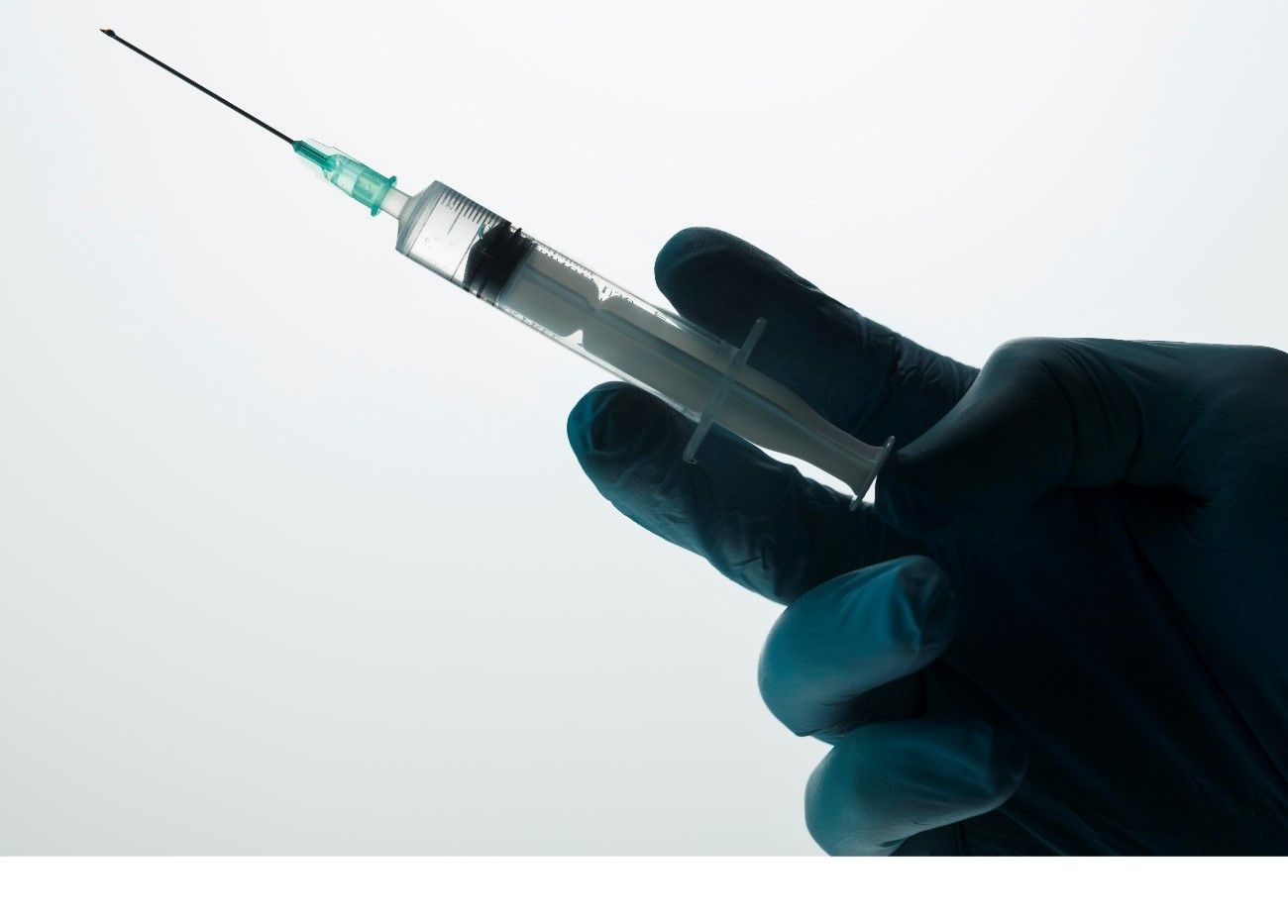
Painful and debilitating, ankle osteoarthritis (OA) is often an inevitable sequela of previously sustained ankle injuries, particularly in younger adults and athletes. Platelet-rich plasma (PRP) is a novel regenerative medicine approach that has the potential to provide anti-inflammatory, anabolic, and analgesic effects when injected directly into the joint. PRP demonstrated benefits for knee OA. But how effective is it for ankle OA?
100 patients with ankle osteoarthritis were randomized to receive two PRP injections (n=48) or two placebo injections (n=52). Outcomes of interest included patient-reported pain, function, quality of life, as well as cost of treatment
-
Adjusted pain & function scores were not significantly different between the two groups at 1 year post-treatment (p=0.31).
-
No differences in all pain during activity, activity level, quality of life, or goal attainment were observed between the two groups at 1-year post-treatment.
Bottom line. PRP provided no meaningful improvement over a placebo injection for patients with ankle osteoarthritis, calling into question the utility of the treatment for this population.
Read the full ACE Report on this trial here. |
|
EDITOR’S PICKS |
|
|
|
Arthroscopic Partial Meniscectomy versus Physical Therapy – Which one is more effective for degenerative meniscal tears? In this OE Original, we examine the evidence on the effectiveness of arthroscopic partial meniscectomy versus physical therapy for degenerative meniscus tears. (Read) |
|
|
|
Breakthrough or Bluster: The Current State of AI in Medicine – For all of the intrigue surrounding artificial intelligence, there is growing pushback by many in the medical community. However, do these concerns alone support the claim that AI is overhyped? In this OE insight, we explore some of the limitations across current AI in medicine research, detail emerging use cases, and discuss the implications of large language models. (Read) |
|
|
|
|