|
|
|
|
|
|
|
|
 |
|
Hip fractures in the elderly are a major cause of disability and death. Optimizing hip fracture surgical outcomes is key – hemiarthroplasty is one of the most common interventions, but the surgical approach is often dictated by surgeon preference, and the optimal method unclear.
The posterolateral approach (PLA) and direct lateral approach (DLA) are 2 of the most popular. The superiority of PLA has been suggested by some studies, but the evidence is conflicting and observational in nature. There’s also indication of a higher risk of dislocation and reoperation compared to the DLA and direct anterior approaches. A high-quality RCT was needed to help settle the debate.
The APOLLO trial was a joint multicenter RCT and natural experiment (NE) study conducted in the Netherlands that included a total of 843 patients with acute femoral neck fractures receiving cemented hemiarthroplasty. 555 were included in the RCT (n=283 randomized to DLA; n=272 randomized to PLA) and 288 in the NE (n=172 received DLA; n=116 received PLA). The primary outcome of interest was quality of life at 6 months. The results of the study were as follows:
-
No significant differences in quality of life were observed between the DLA and PLA approaches at 6 months.
-
Pain scores, the incidence of falls, and the rate of emergency department admissions were similar between the two groups.
-
The odds of prosthesis dislocation was significantly higher in the PLA group (OR 16.46 [95% CI 2.16, 125.48], p<0.001).
-
The results of the natural experiment were similar, finding no difference in quality of life and a higher risk of dislocation in the PLA group.
-
Data fusion combining the RCT and NE data found no difference in quality of life and a greater odds of dislocation after PLA.
Bottom line. The posterolateral approach provided no benefits over the direct lateral approach, and is associated with a higher rate of dislocation. Randomized and natural experiment data found similar results, which increases the robustness of the findings.
Check out the comprehensive analysis of this paper in our ACE Report.
We sat down the Dr. Rudolf Poolman, senior author of the study, for a discussion on the results and implications of this trial. You can watch it here. |
 |
|
|
|
|
 |
|
Obesity is a modifiable risk factor that can significantly impact knee osteoarthritis patient outcomes. Weight loss through diet and exercise can be highly effective in improving clinical outcomes. Many programs are tested in academic settings, but there is less data on their effectiveness in community settings. This study aimed to explore the efficacy of a community-based diet and exercise program on pain.
823 overweight or obese patients (BMI ≥27) with knee osteoarthritis were randomized to receive either an 18-month community-based diet and exercise program (n=414) or attention control (n=409). The primary outcome of interest was knee pain.
-
Pain scores at 18 months were significantly lower in the diet & exercise group compared to the attention control group (p=0.02).
-
Patients in the diet & exercise group lost 6kg more in body weight and 5cm more in waist circumference on average than the attention control group.
-
Function, 6-minute walking distance, and physical quality of life at 18 months were all in significantly in favour of the diet & exercise group.
Bottom line. Over 18 months, community-based diet and exercise program provided significantly better weight loss and improvements in knee osteoarthritis symptoms compared to attention control in obese patients.
Check out the comprehensive analysis of this paper in our ACE Report. |
|
|
|
|
|
 |
|
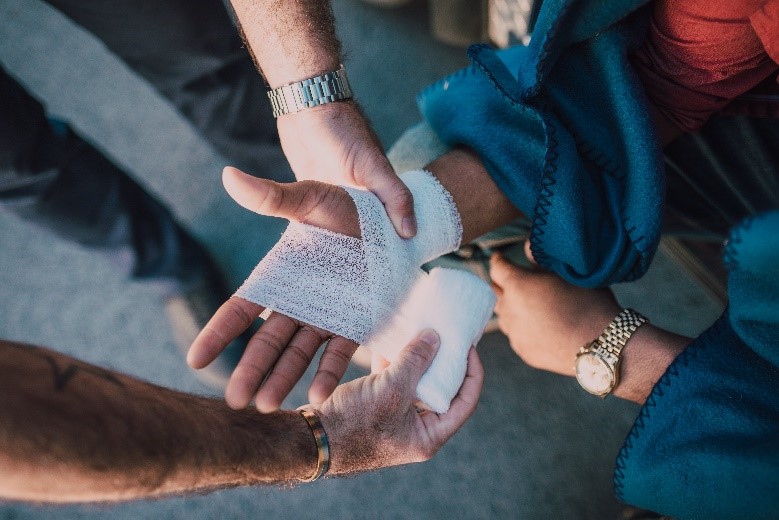
Torus, or buckle, fractures are common in children. The best practice is debated: typically, patients a plaster cast for immobilization, however, the necessity of immediate plaster casting has been called into question by a recent Cochrane review. It’s possible that offering a soft bandage and immediate discharge could be sufficient.
The FORCE Trial was a multicenter equivalence RCT conducted in 23 centers in the UK which randomized 965 children with torus fractures of distal radius to receive either an offer of a bandage (n=489) to be used the discretion of the patient/caregiver, or rigid immobilization with a wrist splint (n=476). The primary outcome of interest was pain at 3 days follow-up.
-
The bandage and rigid immobilization groups demonstrated equivalent pain scores at 3 days follow up. 7% of patients in the bandage group had changed to immobilization at 3 days.
-
No difference in upper extremity scores or quality of life were observed (p>0.05 for all).
-
Parental satisfaction was significantly higher at day 1 in the rigid immobilization group (p<0.0001). The rate of school absence was similar in both groups.
-
The use of analgesia on the first day was higher in the bandage group (p=0.04).
Bottom line. Offering bandages for paediatric torus fractures as opposed to rigid immobilization led to comparable pain outcomes, but a lower rate of satisfaction and a slightly higher rate of analgesia use early on.
Check out the comprehensive analysis of this paper in our ACE Report. |
|
EDITOR’S PICKS |
|
|
|
Spinal Cord Stimulation for Chronic Pain – Physician & Professor Dr. Harsha Shanthanna recently contributed a guest piece on the use of spinal cord stimulation for chronic pain. He presents a complete summary of the science of spinal cord stimulation, and the current guidelines surrounding its use. (Read More) |
|
|
|
Are Large RCTs Justified in Orthopaedics? – RCTs in orthopaedics are costly and difficult to execute. Given the challenges associated with such studies, it is of interest to explore whether small RCTs are sufficient. Using data from the FLOW Trial, researchers sequentially analyzed patient data in increments of 250 patients to see the effect on the final results. (Read More) |
|
|
|
ACL Reconstruction: Effectiveness, Market Share & Ongoing Trials – Pain. Instability. Time away from sports. Anterior cruciate ligament (ACL) injuries are among the most common, and devastating, injuries in sports. In this OE Original, we breakdown the academic literature on ACL injury and reconstruction, identifying the major companies, assessing its clinical effectiveness vs. non-surgical treatment, and looking to the future to see the current evidence in the pipeline. (Read More) |
|
|