|
|
|
|
|
|
|
|
 |
|
Orthopaedic practitioners are among the top prescribers of opioids. But with serious issues regarding addiction and overdose, the necessity of opioid prescription is being called into question across the board. Many prescribe opioids for acute low neck and back pain – one of the most prevalent conditions and greatest contributors to disability. But does it really reduce pain?
The OPAL Trial, published in the Lancet, was a multicentre, triple-blinded RCT from Australia that aimed to investigate whether opioid analgesia improves outcomes. 347 patients with acute low back or neck pain were randomized to receive guideline-recommended care combined with either opioid prescription (up to 20mg oxycodone per day orally) or a placebo. The primary outcome of interest was pain severity at 6 week follow-up.
-
There were no significant differences in 6-week pain scores between the opioid group and placebo group (p=0.051). Results were consistent in the subgroup-analysis by sex and condition type (low back pain; neck pain)
-
At 52 weeks, there was a significant difference in pain scores in favour of placebo (p=0.041).
-
For patients with low back pain, a significantly better disability score at 6 week follow-up was observed in favour of placebo (p=0.011).
-
Mental health quality of life scores were significantly in favour of the placebo group at 6 and 12 week follow-up (p<0.01 for both).
-
The risk of opioid misuse was significantly higher in the opioid group at 52 weeks follow-up (p=0.049).
Bottom line. Opioids provided no clinical benefit vs. placebo for patients with acute low back or neck pain. In fact, it actually led to greater pain levels and a higher risk of opioid misuse a year later, decreased mental quality of life, and worse functional outcomes.
Read the full ACE Report on this study here. |
 |
|
|
|
|
 |
|
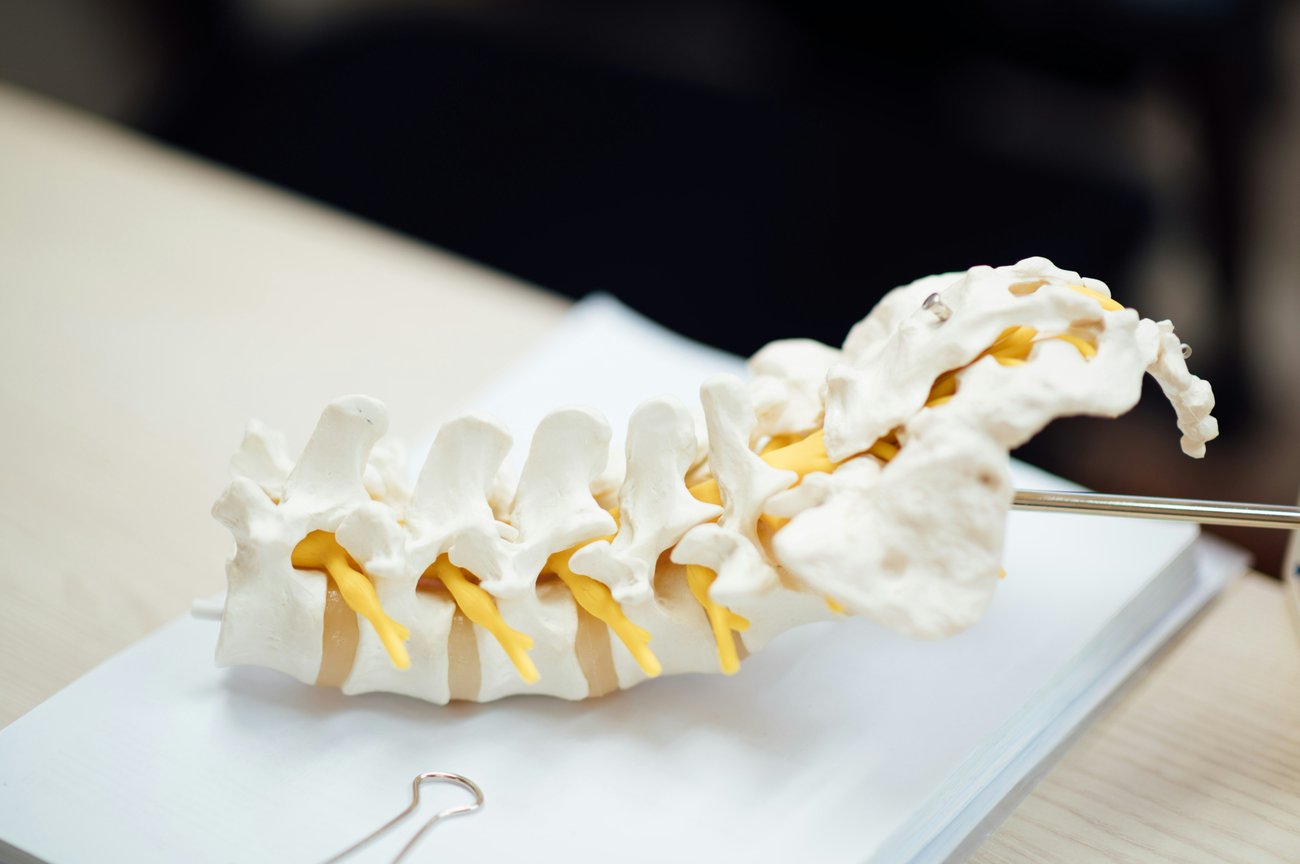
Wear and tear on the spine can lead to degenerative spondylolisthesis. Surgery is often needed, typically in the form of spinal decompression. There is considerable debate about whether fusion should accompany decompression surgery – whilst evidence is growing on the topic, many reviews included lower quality studies that involved outdated methods. An updated meta-analysis was of interest.
Four randomized controlled trials, with a total 523 degenerative spondylolisthesis patients, were included in this systematic review comparing decompression alone vs. decompression with fusion. Outcomes of interest included pain, disability, peri-operative outcomes, and complications.
-
No significant differences in pooled disability scores were observed between the fusion and no fusion groups (p=0.75).
-
Back pain outcomes were found to be significantly in favour of the decompression only group (p=0.02). No differences were found in leg pain (p=0.65).
-
The rate of reoperation was similar regardless of the addition of fusion.
-
A shorter length of hospitalization and duration of surgery, and lower amount of intra-operative blood loss were found in favour of decompression without fusion.
Bottom line. Spinal fusion may not be necessary for patients undergoing decompression for degenerative spondylolisthesis. It may even lead to increased back pain, longer hospitalization, and more blood loss due to the increased operative time.
Read the full ACE Report on this systematic review here. |
|
|
|
|
|
 |
|
With over a million knee arthroplasties performed every year, identifying methods that produce optimal outcomes is critical. The move to cementless fixation was in the hopes of improved survivorship, but some studies have found an increased risk of loosening compared to cemented fixation. Randomized trials can help settle the debate on which method provides the best outcomes.
This RCT involved 141 total knee replacements comparing cemented and cementless fixation. Both groups received a cruciate-retaining prosthesis (Triathlon, Stryker). At 6-years follow-up, this study compared patient-reported outcomes, revision rate, reoperation rate and complication rate between the two methods.
-
No significant differences were observed between the cemented and cementless fixation groups in all patient-reported outcomes (p>0.05 for all).
-
The rate of revision and reoperation was similarly high in both groups.
-
The incidence of radiotranslucent lines was 42% in the cemented group and 31% in the cementless group (p=0.33).
Bottom line. No significant differences in clinical outcomes, implant survival, or radiographic outcomes were observed between cemented and cementless TKA at 6-years post-operation. Continued follow-up will explore how this changes over time.
Read the full ACE Report on this study here. |
|
EDITOR’S PICKS |
|
|
|
Infection Prevention in High-Risk Arthroplasty – In this OrthoEvidence webinar, we were joined with Dr. John Cooper, associate professor at Columbia, for a discussion on infection prevention in arthroplasty, and the evidence supporting the use of negative pressure wound therapy in high-risk patients. (Watch) |
|
|
|
Gen Z & Orthopaedics – In this OrthoJoe episode, Marc & Mo discuss the unique characteristics of Gen Zs, and the implications for surgical training and the future of orthopaedics. (Watch) |
|
|
|
|