|
|
|
|
|
TRAUMA |
|
|
 |
|
Unstable ankle fractures requiring operative fixation are traditionally treated with prolonged immobilization and a period of nonweightbearing for 6 weeks. Recent evidence has suggested that early weightbearing may have advantages including reduced stiffness and earlier return to activities. This group of researchers in Seoul, Korea sought to answer this important question by implementing a large, noninferiority randomized controlled trial – greatly adding to the body of literature which was limited by small studies and a lack of noninferiority design trials.
One hundred and ninety-four patients with operative ankle fractures were randomized to undergo early weightbearing (EWB) at 2 weeks postoperatively (n=95) or nonweightbearing (NWB) (n=99) until 6 weeks postoperatively. The primary outcome of interest was the mean difference in the Olerud-Molander ankle score (OMAS) between the two groups at 12-month follow-up. Additional outcomes of interest included time to full weightbearing, time to return to preinjury activities and patient satisfaction.
-
EWB was found to be noninferior to NWB (p=0.38).
-
The EWB group demonstrated earlier return to full weightbearing and earlier return to preinjury activity levels (p<0.001).
-
No differences in patient satisfaction at final follow-up or adverse events were noted between the two groups (p<0.05).
Bottom line. Early weightbearing following operative ankle fractures allows for earlier return to full weightbearing and preinjury activity levels with no differences in patient reported outcomes at 12-month follow-up.
Check out the comprehensive analysis of this paper here.
|
 |
|
PODCAST |
|
|
 |
|
“How do we ensure that our community gets access – not only to the impact of their specialty – but across the breadth of sub-specialities that is orthopaedics?”
In this latest OrthoJoe episode, Dr’s Marc Swiontkowski and Mohit Bhandari discuss the importance of staying up to date on the “big stuff” – including the advantages of broad orthopaedic knowledge and homing in on all levels of high-quality, practice-changing research.
Listen to the entire podcast here.
|
|
ARTHROPLASTY |
|
|
 |
|
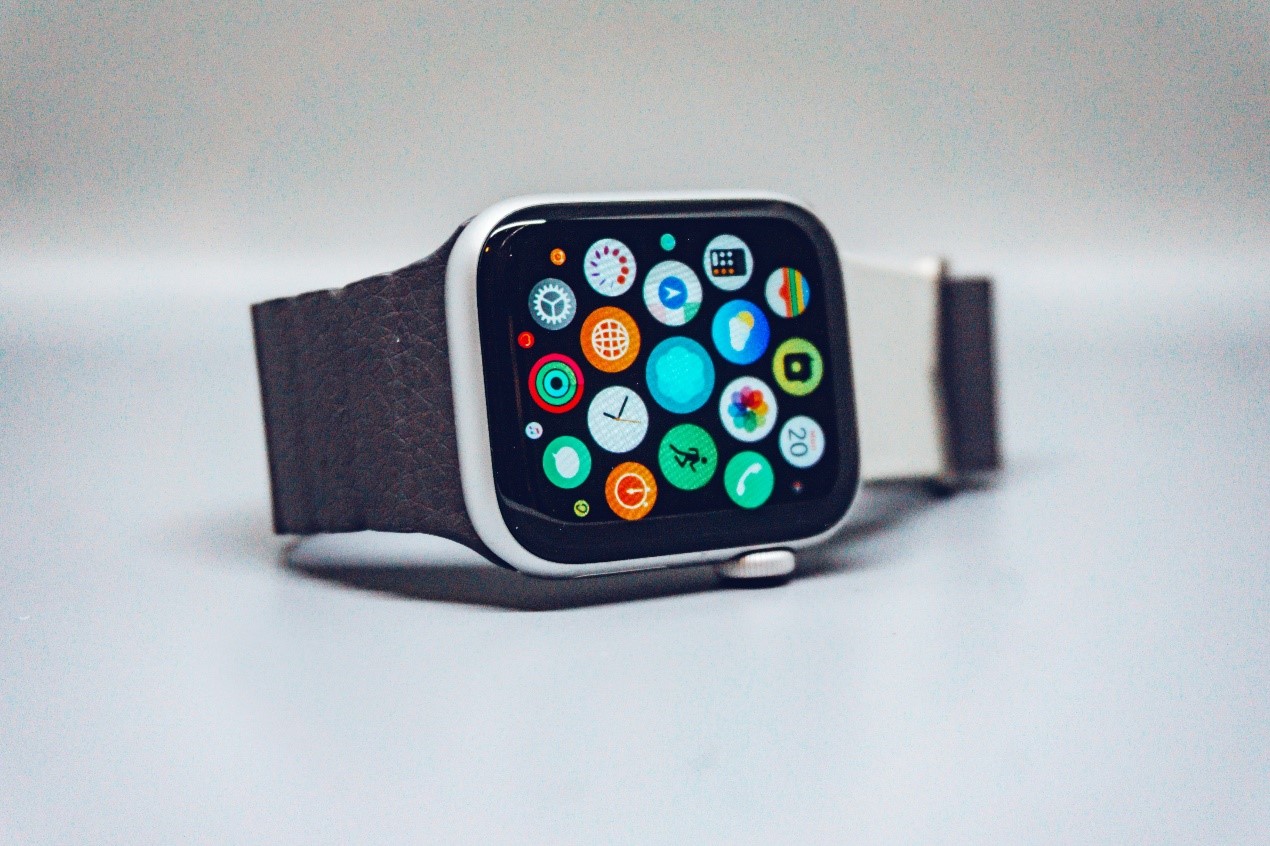
Total knee replacement (TKR) is a common surgical intervention to address knee osteoarthritis. Achieving optimized post-operative pain management represents a crucial clinical step to regain physical independence. Digital technology is an innovative opportunity to address post-operative knee pain and to increase engagement in physical rehabilitation. This study aimed to assess the potential benefits of technology-enhanced rehabilitation in patients who have undergone TKR.
One hundred and two patients with knee osteoarthritis who underwent TKR were randomized into an intervention group (n=51) that received a digital technology package comprising an exercise app, fitness tracker, and online health coaching, while the usual care group (n=51) received a fitness tracker with notifications turned off. The primary outcome assessed at 3 months was mean knee pain (0-10 scale). Secondary outcomes included function, activity participation, and quality of life, which were measured at 3, 6, and 12 months.
-
At 3 months, the intervention group demonstrated small but statistically significant improvements in pain compared to usual care (in the unadjusted intention-to-treat analysis only, P=0.03).
-
Secondary outcomes showed statistically significant reductions in pain intensity, pain disability, sedentary behavior, and improvements in quality of life in favour of the intervention group at 3 months and these trends continued at 6- and 12-months post-procedure.
Bottom line. This study suggests that digitally delivered post-operative care provides small improvements in pain and favorable long-term outcomes. While the level of pain reduction might not be clinically significant in this study, the authors argue that digital interventions could enhance other aspects of rehabilitation and self-management.
Check out the comprehensive analysis of this paper here.
|
|
EDITOR’S PICKS |
|
|
|
Skin Antisepsis Before Fracture Surgery - Results of the PREPARE Trial – In this OrthoPod, Dr Mohit Bhandari is joined by PREPARE Principle Investigators, Dr. Gerard Slobogean, and Dr. Sheila Sprague, and discuss the unique trial protocols and how the results are already leading to policy changes in some North American hospitals. (Watch) |
|
|
|
Championing Women Orthopaedic Surgeons: Preparing for an Inclusive Future – Orthopedic surgery has been a male-dominated field for centuries. The underrepresentation of women in orthopaedics is not unique to any specific country and is a global challenge. In this OE Insight, Dr’s Laurie Hiemstra and Nancy Hiasat discuss what we can do to prepare for a more inclusive future. (Read) |
|
|
|
|